Filtered air keeps the air in a cleanroom clean, but surfaces collect what the air drops and what people touch. Cleaning and disinfection keep those surfaces under control. A good program uses the right agents in the right order, applies them with consistent technique, and runs on a schedule matched to the risk. It also depends on the room itself: finishes, furniture and details that resist the chemicals and leave nowhere for contamination to hide.
Cleaning, disinfecting and sporicidal agents
Three different jobs are involved:
- Cleaning removes soil, residues and films with a detergent. Disinfectants work poorly on dirty surfaces, so cleaning comes first or is combined with disinfection in one product.
- Disinfection kills most vegetative bacteria, fungi and viruses within a stated contact time.
- Sporicidal treatment kills bacterial and fungal spores, which survive most ordinary disinfectants.
| Agent type | Strengths | Watch for |
|---|---|---|
| 70% isopropyl or ethyl alcohol | Fast, leaves no residue | Not sporicidal, flammable, evaporates before long contact times |
| Quaternary ammonium compounds | Broad spectrum, good cleaning action | Builds residue films over time |
| Hydrogen peroxide | Breaks down to water and oxygen | Can affect some finishes at high strength |
| Hydrogen peroxide with peracetic acid | Sporicidal, fast | Strong odour, corrosive to some metals and seals |
| Sodium hypochlorite (bleach) | Sporicidal, inexpensive | Corrodes and pits stainless steel, leaves residue |
GMP Annex 1 expects more than one type of disinfectant, including periodic use of a sporicide, and requires disinfectants used in grade A and B areas to be sterile. Their effectiveness should be demonstrated against organisms found in your own environmental monitoring, on the surface materials actually present in the room. The GMP grades guide covers the wider framework.
Every agent needs its full contact time: the surface must stay wet for the period on the label. Wiping a surface dry early, or using an alcohol that evaporates in seconds where a longer contact time is needed, defeats the purpose.
Technique that works
- Work from top to bottom, cleanest areas to dirtiest, and from the back of the room toward the exit.
- Use overlapping, single-direction strokes rather than circles, which spread contamination around.
- Use low-lint wipes and flat mops with dedicated handles that never leave the classified area. Pre-saturated sterile wipes simplify work in the most critical zones.
- Use a two- or three-bucket system, or fresh pre-wetted mop heads, so a dirty mop never goes back into clean solution.
- Remove residue periodically, usually with sterile water or alcohol, where sporicides and quaternary compounds build up films.
- Document each cleaning event, the agent and lot number, and who performed it.
How often
Frequencies come from risk and from the governing standard. USP <797>, for example, calls for daily cleaning and disinfection of work surfaces and floors on compounding days, monthly cleaning of walls, ceilings and storage shelving, and a sporicidal agent at least monthly. GMP sites define frequencies in their contamination control strategy, with extra cleaning after shutdowns, maintenance and excursions. The compounding cleanroom guide shows how the schedule fits into pharmacy operations.
New rooms need a staged start-up clean before certification: a construction clean to remove debris and dust, a precision clean of every surface from the ceiling down, then disinfection. Skipping stages almost always shows up as failed particle counts.
Design for cleanability
Cleaning programs fail when the room fights them. Plan these details during design:
- Chemical compatibility. Oxidizing sporicides and bleach can dull coatings, harden gaskets and sealants, stain flooring and pit stainless steel. Ask every supplier for compatibility data against your actual agents and concentrations, and test samples where in doubt. Type 316 stainless resists chlorides better than 304 where bleach is used often.
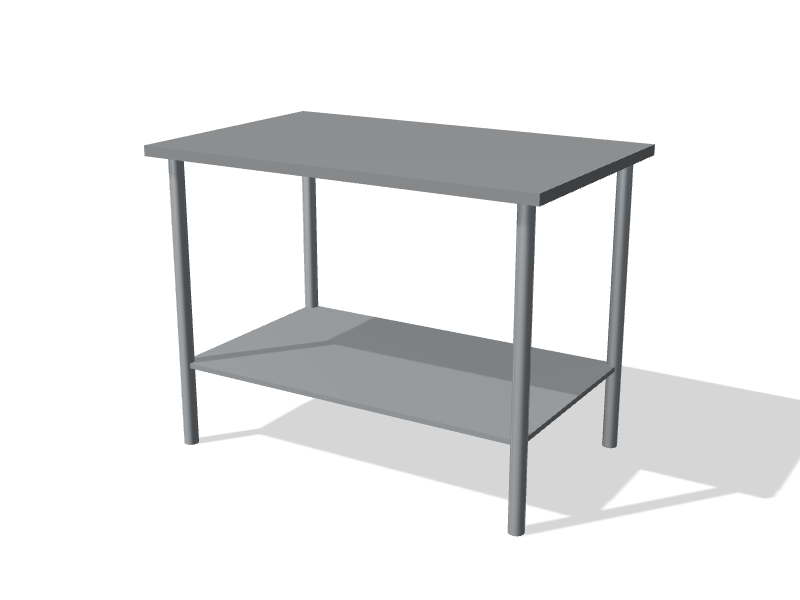
- Fewer surfaces. Every shelf, rail and cabinet adds cleaning time. Keep furniture open and minimal; see cleanroom furniture and stainless steel.
- Smooth junctions. Coved floor-to-wall junctions, flush windows and lights, and sealed penetrations remove the corners that mops miss. The flooring guide covers coving details.
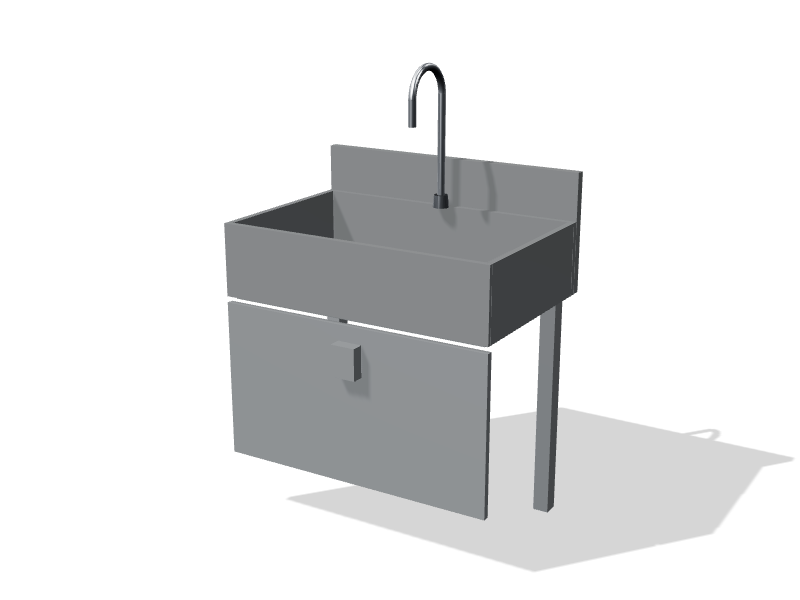
- Support space. Plan a janitor room with a sink outside the classified area for preparing solutions and storing equipment, plus a clean place inside to keep dedicated mops and wipes.
- Room decontamination. If you plan to fumigate rooms with vaporized hydrogen peroxide, the envelope must seal well and all equipment in the room must tolerate the cycle.
UV-C devices and robots can add a layer of protection but do not remove soil and do not replace manual cleaning.
Checklist
- Detergent, disinfectant and sporicide selected, with rotation and contact times written into SOPs.
- Agents tested against your environmental isolates on your actual surfaces.
- Sterile agents and wipes for the most critical zones.
- Frequencies set by risk and by the governing standard.
- All finishes, gaskets and furniture checked for compatibility.
- Cleaning logs, training records and residue-removal steps in place.
For general lab benches outside the cleanroom, see cleaning and caring for lab surfaces.