Lab worktops and casework are built to resist chemicals, but resistance is not immunity. Most damage comes from spills left to sit, the wrong cleaner used every day, or an abrasive pad used once. A simple routine keeps surfaces looking and performing well for many years, and it makes the lab easier to decontaminate when that matters.
General rules for every surface
- Clean spills right away. Short contact rarely harms a lab surface. Hours of contact with an aggressive chemical can stain, etch or soften it.
- Use mild detergent and water for routine cleaning, then rinse with clean water and wipe dry with a lint-free cloth.
- Remove disinfectant residue. After the required contact time, wipe away what is left. Quaternary ammonium products leave a film, and chlorine bleach left on stainless steel causes pitting.
- Avoid abrasive powders and scouring pads unless the surface maker approves them. Never use steel wool on stainless steel.
- Test any new cleaner on a hidden area first, and check it against the worktop maker's chemical resistance chart.
- Follow your spill procedure. Neutralizing or absorbing a spill comes before cleaning the surface.
Worktops
| Surface | Routine care | Avoid | Signs of trouble |
|---|---|---|---|
| Epoxy resin | Detergent and water; periodic restoration if the maker recommends it | Leaving strong oxidizing acids or aggressive solvents to sit | Dull, etched or stained patches |
| Phenolic resin | Detergent and water; alcohol wipes are fine | Hot plates and very hot glassware placed directly on the top | Heat marks and discoloured rings |
| Stainless steel | Detergent, rinse, wipe dry along the grain | Chlorides left to dry, steel wool, carbon steel tools | Rust spots, pitting |
| Chemical-resistant laminate | Detergent and water, wiped dry | Standing water at seams and edges, heat | Swelling at joints and edges |
Epoxy resin is dense and handles both heat and a wide range of chemicals well. Heavy use and repeated chemical contact slowly dull its finish. Some manufacturers recommend periodic treatment with a light oil or wax to restore the surface; follow the worktop maker's care guide rather than a general rule.
Phenolic resin resists most lab chemicals and solvents well, but it tolerates less heat than epoxy. Use heat-resistant pads or trivets under hot plates, burners and anything coming out of an oven or autoclave. The guide to epoxy and phenolic worktops compares the two in more detail.
Stainless steel worktops are easy to disinfect and suit clean and wet areas, but chlorides are their weak point. Hydrochloric acid, bleach and salt solutions left to dry can pit even grade 316. Rinse with clean water after using them. Rust spots often come from iron particles left behind by steel tools or steel wool rather than from the stainless itself. A stainless cleaner or a passivation treatment by a specialist removes them.
A chemical-resistant laminate has a core that swells if water gets in, so keep seams and edges sealed and dry.
Casework, sinks and hood interiors
Painted steel casework. Wipe with detergent and water. Touch up chips promptly with the maker's touch-up paint so rust does not spread under the finish. Strong solvents left on the surface for long periods can soften some finishes.
Wood casework. Use a damp, not wet, cloth and dry it straight away. Keep wood doors and drawers away from standing water near sinks, and repair worn finish before moisture gets into the veneer.
Solid phenolic and stainless casework. Both tolerate water well and suit wet and wash-down areas. Clean them as you would the matching worktop.
Hardware. Check hinges, drawer slides and door closers every few months. Clear debris from slides, tighten loose pulls, and test that self-closing doors on safety cabinets still close and latch fully.
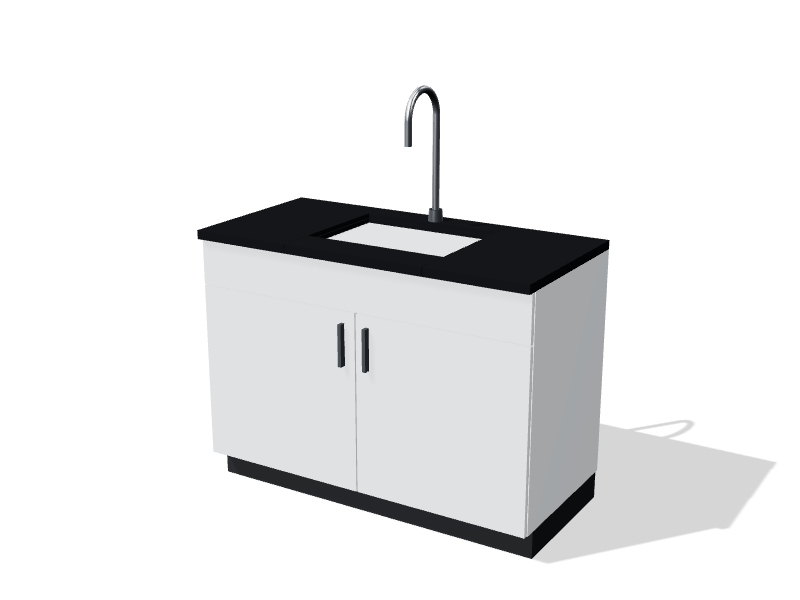
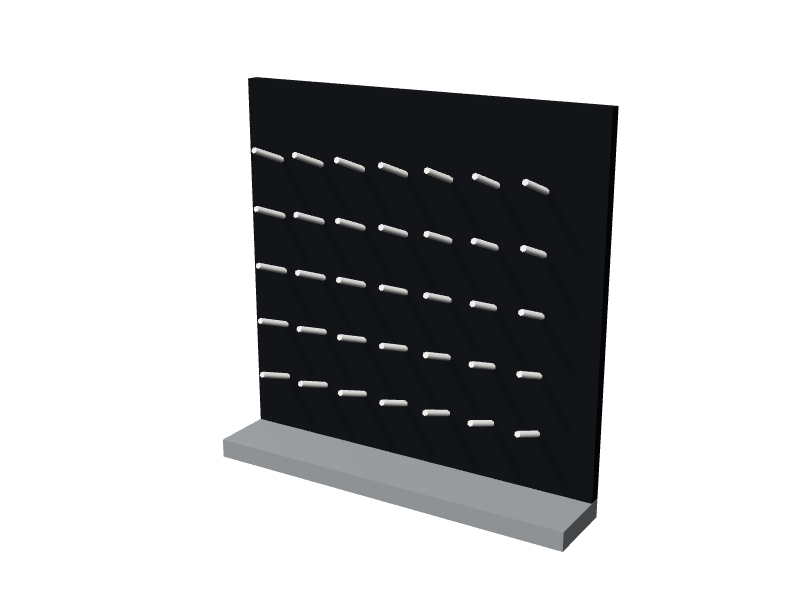
Sinks and drains. Flush acid and base residues down with plenty of water. Drain traps need water in them to block sewer gases, so run water in seldom-used sinks and cup sinks every week. A drying rack such as an epoxy pegboard over the sink keeps wet glassware off the worktop.
Fume hood interiors. Clean the liner and work surface with the sash lowered as far as practical. Remove clutter, keep the baffle openings clear, and follow the hood maker's instructions for the liner material. The fume hood maintenance checklist covers the hood as a whole.
Biosafety cabinets. Disinfect the work surface before and after each session, following your biosafety program. On stainless steel, follow a bleach wipe with sterile water or 70% alcohol to remove the residue. Lift the work tray periodically and clean the space beneath it.
Care checklist
Daily:
- Wipe worktops with detergent and water, and dry them.
- Clean up spills as soon as they happen.
- Clear clutter from worktops and hood interiors.
Weekly:
- Run water in seldom-used sinks and cup sinks.
- Check for chemical stains, heat marks or rust spots before they spread.
Every few months:
- Check hinges, slides, pulls and safety cabinet door closers.
- Touch up chips in painted surfaces.
Yearly:
- Inspect sealant at backsplashes, sinks and worktop joints, and replace it where it has failed.
- Restore resin worktops if the maker recommends it.
Ask your supplier for a written care guide for each surface material you buy, and keep it with the lab's operating procedures.