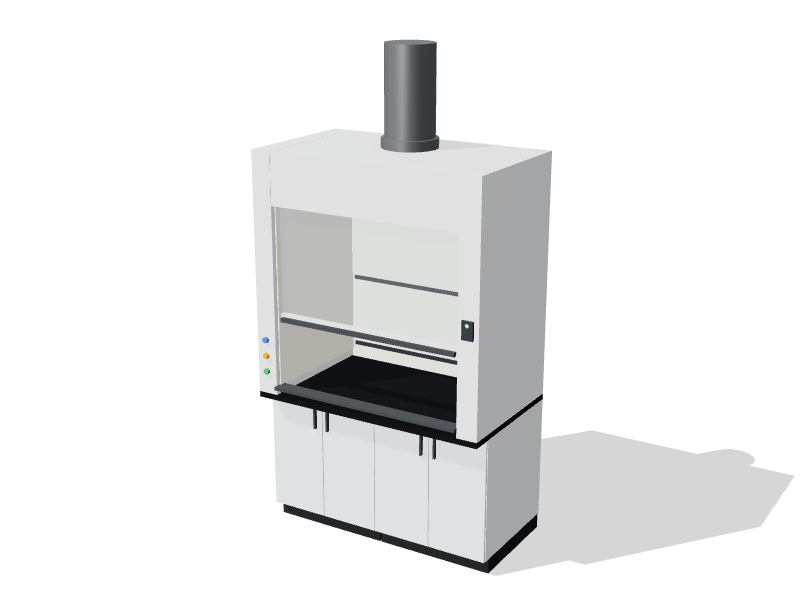
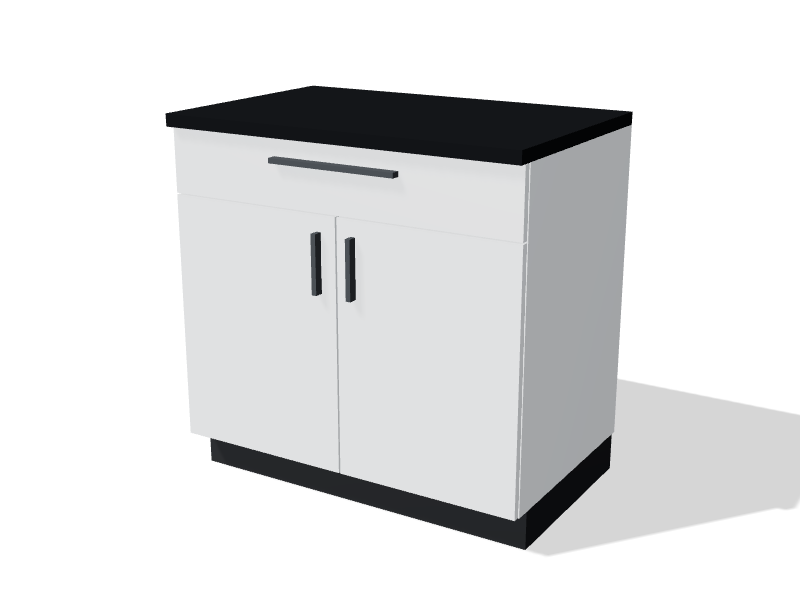
Lab furniture is built to order, delivered in large and heavy pieces, and installed in a tight window between the end of construction and move-in. Most delays come from the steps around manufacturing rather than the factory itself: slow drawing approvals, sites that are not ready, and gaps in who connects what. Understanding the sequence helps you protect the schedule.
What sets the lead time
The lead time for casework and hoods usually starts when shop drawings are approved, not when the purchase order is signed. That distinction catches many projects out.
The main steps before manufacturing:
- Shop drawings. The supplier turns the architect's layout into detailed drawings showing every cabinet, worktop, hood and fixture.
- Review and revision. The owner, users and architect check the drawings. Each round of comments adds time, so gather all reviewers' input at once.
- Field verification. In renovations, the supplier measures the actual room once walls are up. Real dimensions often differ from old drawings, and worktops are cut to the measured size.
- Release to manufacturing. Only now do materials get ordered and production get scheduled.
What happens next depends on what you ordered. Standard painted steel cabinets in standard widths move fastest. Wood veneer, solid phenolic and stainless steel casework take longer, as do non-standard colours and sizes. Worktops are made to measure, with sink and fixture cutouts. Fume hoods are built to order with the chosen liner, sash and fixtures, and specialty hoods take longer still. Equipment such as biosafety cabinets comes from separate manufacturers with their own lead times.
Academic projects often aim for the same summer window, so suppliers and installers are busiest then. Order early if your project shares that timing.
Preparing the site for delivery
Check the delivery route before anything ships:
- Loading dock access, truck size limits and any time restrictions.
- Elevator door size, cab size and weight capacity. Fume hoods and long worktops are usually the tightest pieces. A 2400 mm (8 ft) hood may not fit some elevators, so ask whether large hoods can ship in sections.
- Corridor widths, door openings and tight corners on the way to each room.
If the site is not ready when furniture arrives, it needs dry, heated and secure storage. Wood casework, such as maple veneer, should be kept in conditioned space so it does not absorb moisture and move after installation.
Before installation, the room should have:
- Walls finished and painted, and the ceiling grid installed.
- Blocking or backing installed inside the walls wherever wall cabinets, shelving or service chases will hang. It has to be built in before the drywall closes.
- Flooring done, or a clear decision on whether flooring runs under the casework or stops at the toe kick.
- Service rough-ins in place and checked against the casework drawings.
- Anchoring details confirmed for seismic restraint where required.
The installation sequence
A typical sequence:
- Lay out casework lines on the floor and check service rough-in positions.
- Set base cabinets and frames, level them, fasten them together and anchor them.
- Set worktops, seal joints and set sinks.
- Install wall cabinets, reagent shelving and service chases.
- Set fume hoods on their base cabinets and connect them to the exhaust ducts.
- Make final water, gas, drain and electrical connections to fixtures and outlets.
- Balance the air systems, test and commission the hoods, and certify biosafety cabinets.
- Complete the deficiency list, clean, train users and hand over.
Scope gaps between trades cause many delays. Make sure each contract spells out who does what:
| Task | Commonly done by |
|---|---|
| Set, level and anchor casework | Casework installer |
| Mount service fixtures on casework | Casework installer or plumber, as the contract states |
| Connect water, gas and drains | Licensed plumber or gas fitter |
| Wire outlets and hood airflow monitors | Electrician |
| Connect hoods to exhaust ducts | Mechanical contractor |
| Test hood performance | Independent certifier or manufacturer's representative |
Hood testing deserves its own place in the schedule. See commissioning and annual certification for what is tested and when.
After installation
- Protect finished worktops from other trades with covers. Scratches and chemical spills from construction are common.
- Ask for touch-up materials for painted surfaces and a care guide for each worktop material.
- Collect operation and maintenance manuals, keys, warranty documents, test reports and as-built drawings.
- Agree on the warranty start date in writing.
Coordinated installation and project management can carry the furniture package from drawings to handover.
Questions to ask your supplier
- Does the quoted lead time start at order or at drawing approval?
- How many rounds of drawing review are included?
- Is field measurement included, and when does it need to happen?
- Who installs, and what is included: fixtures, anchoring, connections, hood testing, packaging removal?
- What does the delivery route need to accommodate, and can large hoods ship in sections?
- What happens if the site is not ready on the delivery date?
When you are ready to price a layout, request a quote with your drawings or planner file.