A lab furniture budget is easier to set, and to defend, when you know what drives it. Two labs of the same size can differ widely in cost because of material choices, the number and type of fume hoods, the density of services and the conditions on site. This guide describes those drivers and their relative weight. It does not quote prices, because those depend on the layout, the specification and the market at the time of purchase.
Where the money goes
Furniture is one part of a lab project. In most labs, the building systems behind the furniture cost more than the casework itself: exhaust and supply air, heating and cooling, plumbing, gases, electrical distribution and controls. That matters because furniture decisions, especially about fume hoods, drive costs in those systems.
Within the furniture package, the larger shares usually go to:
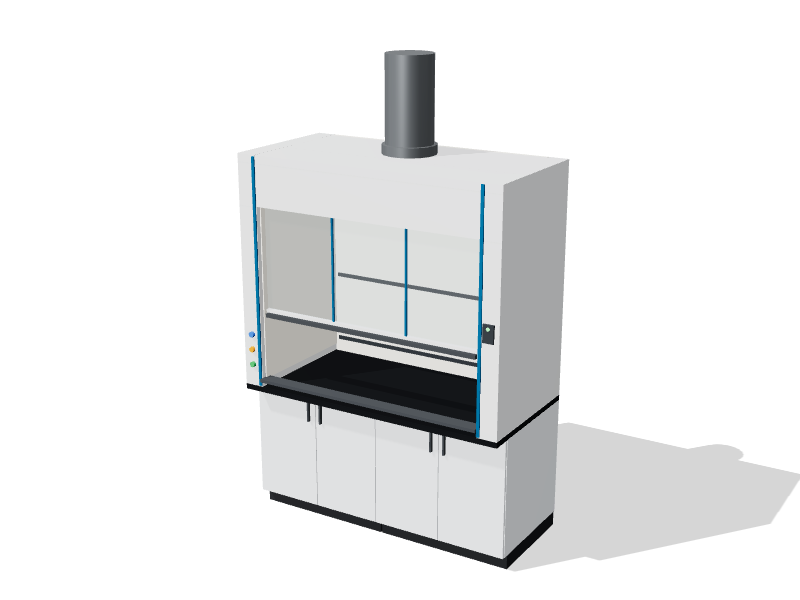
- Fume hoods and other ventilated enclosures. Each hood is a significant item, and specialty hoods cost more than general-purpose ones.
- Worktops. Long runs of resin or stainless worktop, with sinks and cutouts, add up quickly.
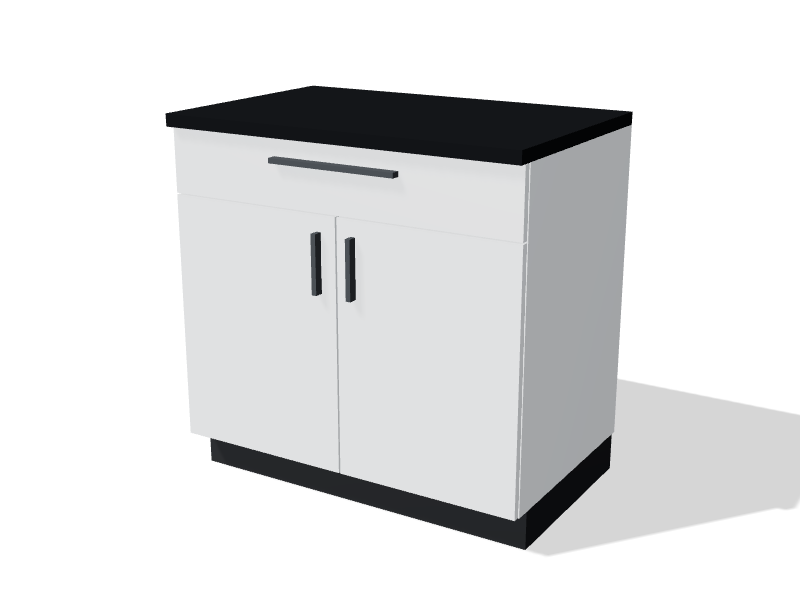
- Base cabinets. Individually modest, but there are many of them.
- Installation, freight and site work. These scale with the size of the project and the difficulty of the site.
Wall storage, safety cabinets, tables and accessories usually make up the rest. Equipment such as biosafety cabinets and balances is often budgeted separately, but it should still appear in the plan.
The main cost drivers
| Driver | What pushes cost up | Ways to control it |
|---|---|---|
| Casework material | Stainless steel, solid phenolic, custom wood | Painted steel for general areas; upgrade only where conditions demand |
| Worktop material | Stainless steel, many cutouts, non-standard depths | Match the material to the actual chemical and heat exposure of each zone |
| Fume hoods | High count, wide hoods, specialty types | Right-size the count and width; share hoods where workflows allow |
| Services | Many outlets, specialty gases, purified water loops | Provide what users need now, with capacity for later |
| Custom work | Non-standard sizes, colours and details | Stay with standard widths and a planning module |
For casework, painted steel is usually the cost baseline. Wood and phenolic usually cost more, and stainless steel usually costs the most. The guide to steel, wood and phenolic casework explains when each is worth it. For worktops, phenolic resin usually costs less than epoxy resin, and stainless steel worktops usually cost the most. A common approach is to mix materials: stainless where cleanability or heat demands it, epoxy in acid and heat zones, phenolic in dry instrument areas.
Site conditions can outweigh material choices. Renovations in occupied buildings, night or weekend work, small elevators, long carries and tight phasing all add installation time.
Hood choices drive building costs
Every ducted fume hood needs exhaust duct, fan capacity, makeup air that must be heated through a Canadian winter and cooled in summer, and controls. Over its service life, the energy to move and condition a hood's air can rival or exceed what the hood itself cost.
That is why the hood decision belongs in the budget conversation from the start:
- Fewer, well-placed hoods can reduce both furniture and building costs.
- Variable air volume controls and good sash habits cut exhaust flow when hoods are not in use.
- A high-performance low-flow hood costs more to buy than a conventional hood, but it can reduce exhaust and makeup air, which may allow smaller fans and air handlers. See when high-performance hoods pay off.
The guide to fume hood energy use covers operating costs in more detail.
Lifecycle cost and contingency
The lowest purchase price is not always the lowest cost over the life of the lab:
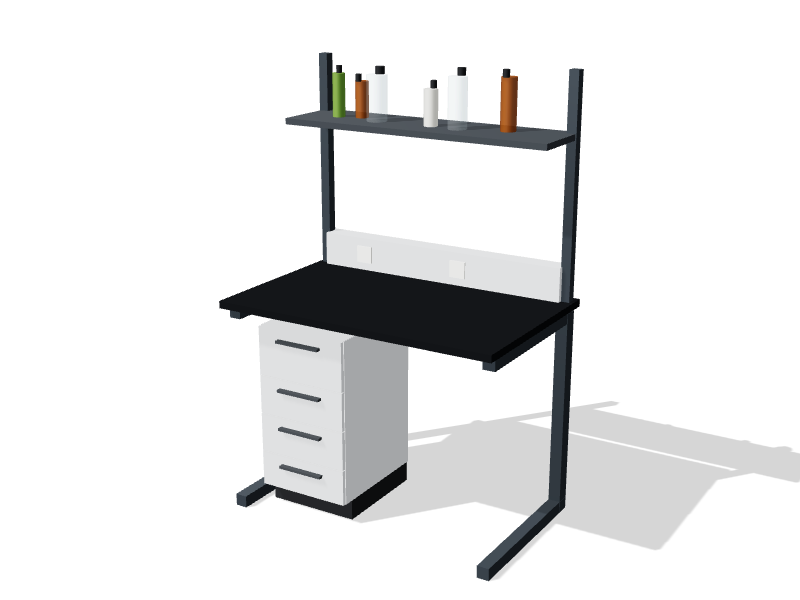
- Adaptability. Adaptable casework such as C-frame benches and mobile tables costs more at first, but it can be rearranged without trades. Fixed casework costs less up front but needs contractors to change. The right answer depends on how often the work changes.
- Durability. A worktop or cabinet finish that fails early costs far more to replace in a working lab than it saved at purchase.
- Soft costs. Design, engineering, commissioning, annual hood certification, moves and eventual decommissioning are real costs and belong in the plan.
- Contingency. Renovations of older buildings carry more unknowns than new construction and need a larger contingency. Long projects need an allowance for price escalation, and imported items priced in US dollars carry exchange-rate risk.
Budget planning checklist
- Build the budget from a room-by-room layout and bill of materials rather than a single cost per square metre.
- Separate the furniture, hoods, equipment, installation, building services and soft costs into their own lines.
- Confirm the hood count and type with the mechanical engineer before budgets are fixed.
- Ask every supplier what is included: freight, installation, fixtures, connections, hood testing, packaging removal and applicable sales taxes.
- Compare quotes on the same specification, including SEFA 8 test results, worktop thickness and hood liner material.
- Carry a contingency that reflects the condition of the building.
A layout from the lab planner produces a bill of materials you can send with a quote request.