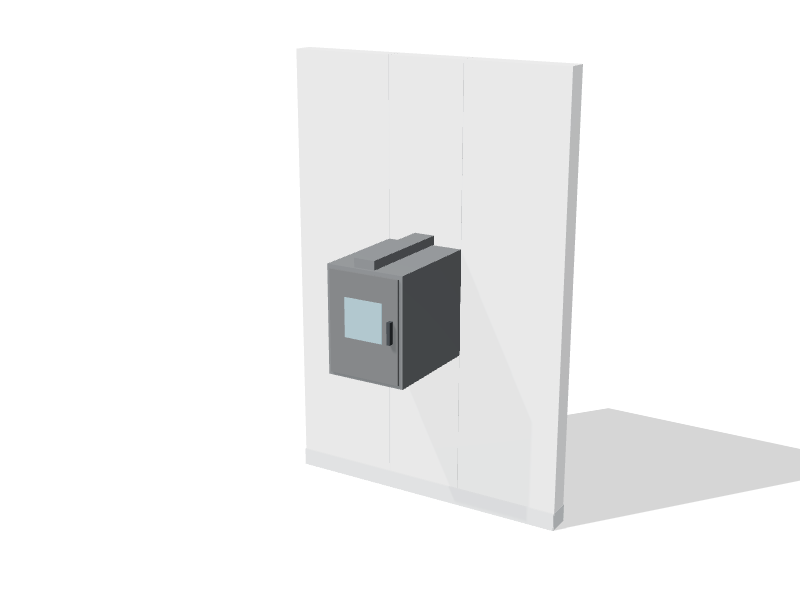
A pass-through chamber, also called a pass box or transfer hatch, is a small cabinet built through a cleanroom wall with a door on each side. Materials go in on one side and come out on the other, so people do not have to carry them through the gowning room and airlocks. Every trip a pass-through saves is one fewer gowning cycle and one fewer disturbance to the pressure cascade.
Types of pass-through
Static pass-throughs
A static unit is a sealed stainless box with interlocked doors and no airflow of its own. It relies on the items being cleaned before they go in, and on the chamber being small enough that little air moves when a door opens. Static units suit transfers between rooms of the same or adjacent classes, such as an ISO 8 anteroom to an ISO 7 room.
Ventilated (dynamic) pass-throughs
A ventilated unit has its own fan and HEPA filter. After the outer door closes, it purges the chamber with filtered air for a set time before the inner door unlocks. This makes it better suited to bigger steps in cleanliness, or to transfers into rooms where particle control is critical. Some designs exhaust part of the air rather than recirculating it.
Decontamination pass-throughs
Some chambers run a validated decontamination cycle, commonly with vaporized hydrogen peroxide, for items whose outer surfaces must be decontaminated before entering an aseptic area. These are larger, more complex units with their own generator, sensors and cycle records, and they are common in aseptic manufacturing and cell therapy.
| Type | How it works | Typical use |
|---|---|---|
| Static | Interlocked doors, no airflow | Between rooms of the same or adjacent classes |
| Ventilated | HEPA-filtered purge before inner door opens | Larger class steps, particle-critical rooms |
| Decontamination | Validated vapour cycle inside the chamber | Aseptic processing, cell and gene therapy |
Many pass-throughs are offered with UV lamps. UV only treats surfaces in direct line of sight, its output drops as lamps age, and it does not remove soil. Treat it as an addition to wiping and disinfection, never a substitute.
Construction and interlocks
The interlock is the most important feature. Only one door may open at a time, with indicator lights on both sides showing when the chamber is in use and which door is free. Mechanical interlocks are simple and need no power. Electromagnetic interlocks allow timers, purge cycles and connection to a monitoring system. The doors and interlocks guide covers the same principles at room scale.
Look for these construction details:
- Stainless steel throughout, typically type 304, with type 316 where chlorides or aggressive sporicides are used regularly.
- Coved internal corners and a smooth floor with no ledges, so the interior can be wiped in one pass.
- Gasketed doors with vision panels, so staff can see whether the chamber is empty.
- A mounting detail that seals to the wall on both faces, ideally flush on the cleaner side. The joint to the wall is a leak path; see sealing penetrations.
Size and height
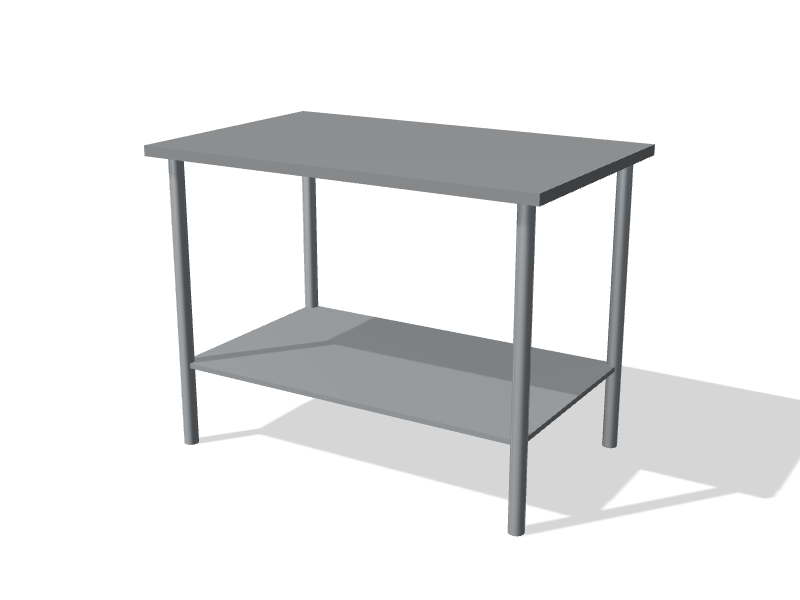
Size the chamber for the largest tote, container or tray you transfer routinely. A larger chamber holds more air, takes longer to purge and has more surface to clean, so do not oversize it. Benchtop units with the floor of the chamber near bench height, about 900 mm (35½ in), are easiest to load. Floor-level pass-throughs for carts suit heavier materials but behave more like small airlocks and need their own cleaning procedure.
In biocontainment labs, the equivalent roles are filled by pass-through autoclaves and dunk tanks, and the requirements come from the Canadian Biosafety Standard for the relevant containment level.
Using a pass-through well
The chamber only works if the procedure around it is followed:
- On the less clean side, remove outer packaging and wipe each item with the approved disinfectant.
- Place items in the chamber, close the door and let the interlock, purge or decontamination cycle complete.
- On the clean side, open the inner door, remove the items and close the door promptly.
- Respect the disinfectant's contact time before items are used.
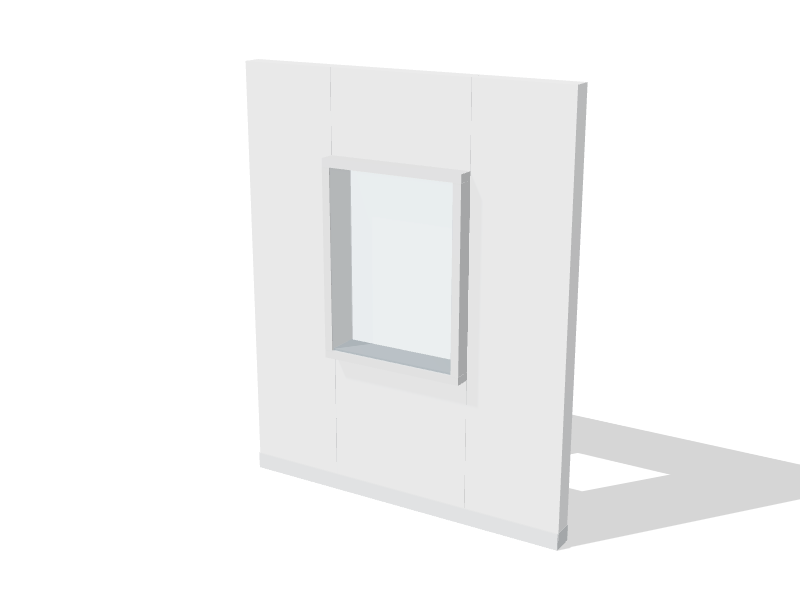
Assign directions where you can: one chamber for materials going in, another route for waste and finished product coming out. Do not use the chamber as storage, and clean its interior on the same schedule as the room it serves. A window beside the chamber, or an intercom, helps staff on both sides coordinate.
Questions to ask your supplier
- Is the interlock mechanical or electromagnetic, and does it show status on both sides?
- For ventilated units, what filter is fitted and how long is the purge cycle?
- What grade of stainless is used, and are the internal corners coved?
- How does the unit mount and seal to our wall system and thickness?
- Can it be cleaned without tools, and are any internal parts removable?
You can place an interlocked pass-through in your cleanroom wall in the lab planner.