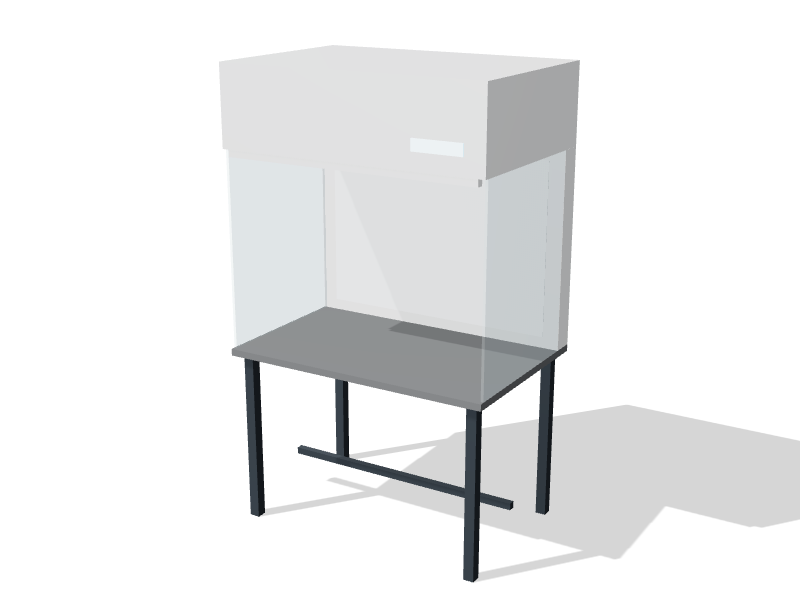
What it's for
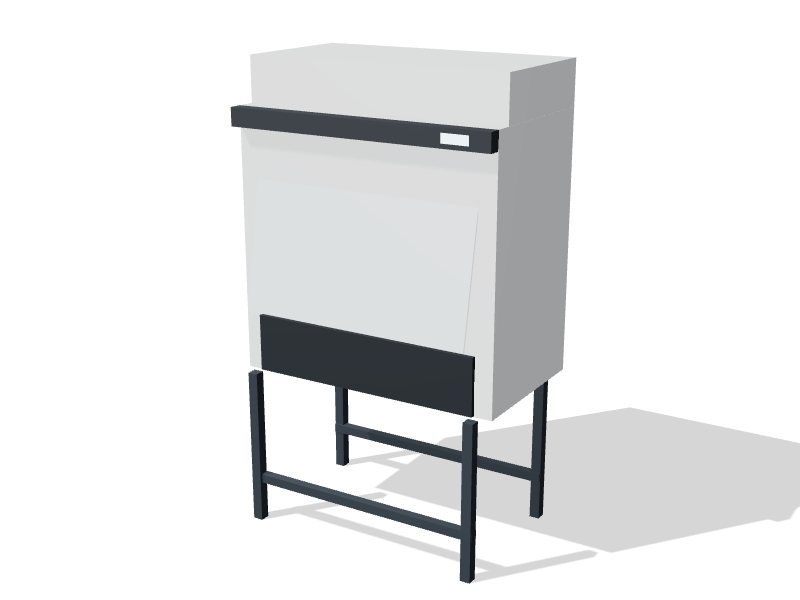
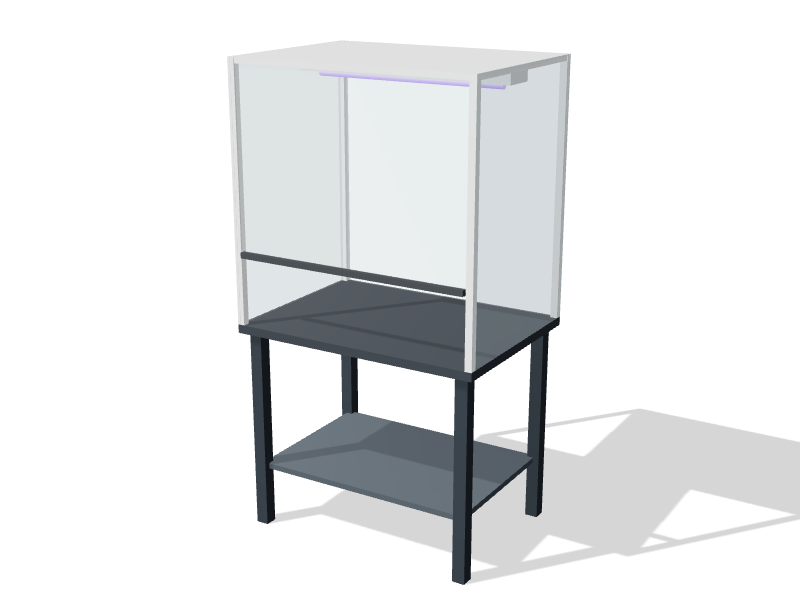
A horizontal laminar flow clean bench sends a stream of HEPA-filtered air across the work surface toward the operator. Particles from the room are kept off the work, so the bench is used where the product must stay clean or sterile: pouring culture media, preparing sterile non-hazardous solutions, plant tissue culture, assembling small medical or electronic parts, and handling optics.
It protects the work only. Air leaves the front of the bench and blows straight at the user, so anything released from the work reaches the user's face and the room. That makes it unsuitable for pathogens, cytotoxic drugs, volatile chemicals, allergens or loose powders. Hazardous biological work belongs in a Class II biosafety cabinet.
Construction and features
A fan draws room air through a prefilter and pushes it through a HEPA filter at the back of the work area. Air leaves the filter face in parallel laminar flow and sweeps across the surface. Clean benches are typically designed to provide ISO Class 5 air in the work zone.
When comparing benches, look for:
- A smooth, non-shedding interior and a stainless work surface.
- A pressure gauge or airflow indicator that shows filter loading.
- Fan speed control to hold airflow steady as the filter loads.
- Side panels that limit room air being drawn in at the edges.
Ask for factory filter integrity test data, and arrange field testing after installation.
Sizes and options
Where it fits
A hospital pharmacy compounding cleanroom may use a horizontal flow bench for non-hazardous sterile compounding, as a primary engineering control within the cleanroom suite, in line with USP <797> and the NAPRA model standards. A medical device assembly cleanroom and an electronics and semiconductor cleanroom use clean benches to create local ISO 5 zones inside a less clean room.
Planning notes
- Place the bench away from doors, traffic and supply diffusers. A dusty location loads the prefilter faster, and passing traffic disturbs the airflow at the open front.
- Nothing should sit between the filter face and the critical work. Keep other items downstream of what you are protecting, and work at least 150 mm (6 in) inside the front edge.
- Remember that the user is downstream. If staff could be sensitized to a material, use a different device.
- Have the HEPA filter tested at installation, after any move, and on a regular schedule; see clean benches and PCR workstations.
- Run the fan for the manufacturer's recommended purge time before starting work, and clean the surface working from the back toward the front.