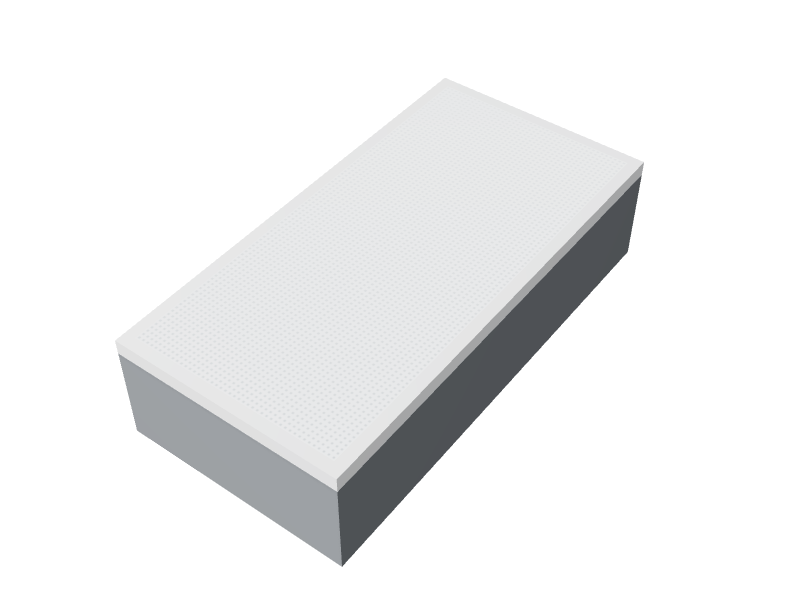
What it's for
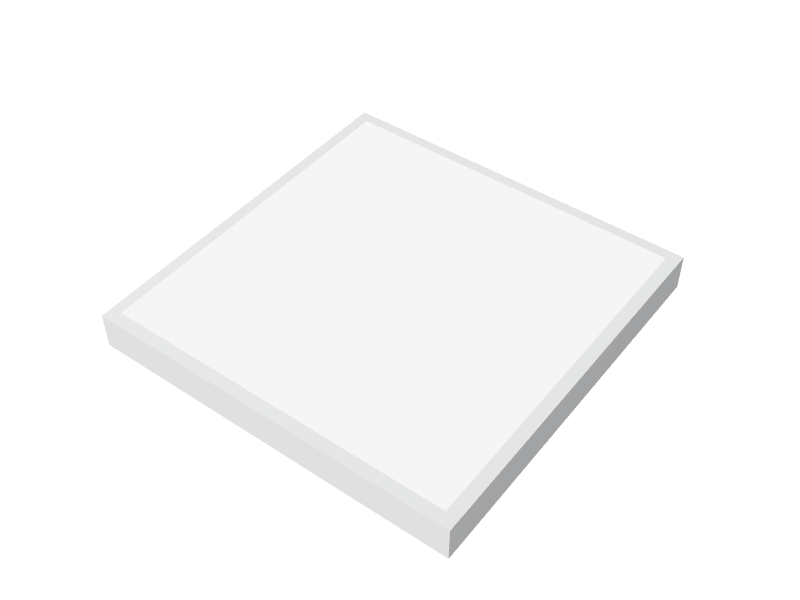
A fan filter unit (FFU) is a self-contained ceiling module: a fan pushes air through a HEPA filter and down into the room. FFUs let you build a clean zone without a large central air handler doing all the work. The number of units sets how much filtered air the room receives, and that sets the cleanliness class it can reach and hold. They are the usual supply method for modular hardwall cleanrooms and softwall enclosures.
Construction and features
Each unit combines a fan housing and a filter in one module that drops into the ceiling grid. A good-quality FFU typically has:
- An EC (electronically commutated) motor, which runs efficiently across a wide speed range and allows fine control of airflow.
- An H14-grade HEPA filter, individually tested before shipping. Ask for the filter test report and serial number with each unit.
- Room-side filter replacement, so the filter can be changed from below. On a non-walkable ceiling this is the only practical option.
- A gel seal or gasket between filter and housing, and between housing and grid, so air cannot bypass the media.
- A perforated face guard that protects the filter and evens out the airflow leaving it.
- Speed control at the unit or through a group controller, so airflow can be set at commissioning and trimmed as the filter loads.
Sizes and options
Where it fits
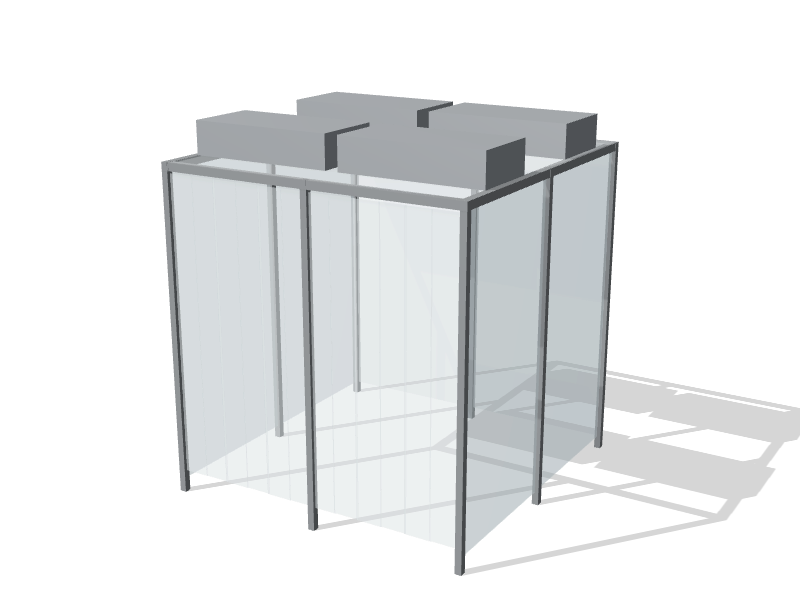
FFUs are the backbone of electronics and semiconductor cleanrooms and medical device assembly cleanrooms. Universities and institutes also use them over a single process line or inside a softwall room, a common pattern in research facilities.
Planning notes
- Coverage drives class. As a rough guide, ISO 5 zones with unidirectional flow need most of the ceiling covered, ISO 7 rooms far less, and ISO 8 rooms only a small fraction. The HVAC engineer should confirm air change rates and coverage against real heat loads and process.
- Plan the return path. Air pushed down must get back to the FFU inlets, usually through low-level return grilles and return walls or an open plenum. A room without a clear return path will not perform.
- Account for heat. Every fan adds heat to the recirculating air, so the room usually needs a cooling coil or conditioned makeup air to hold temperature.
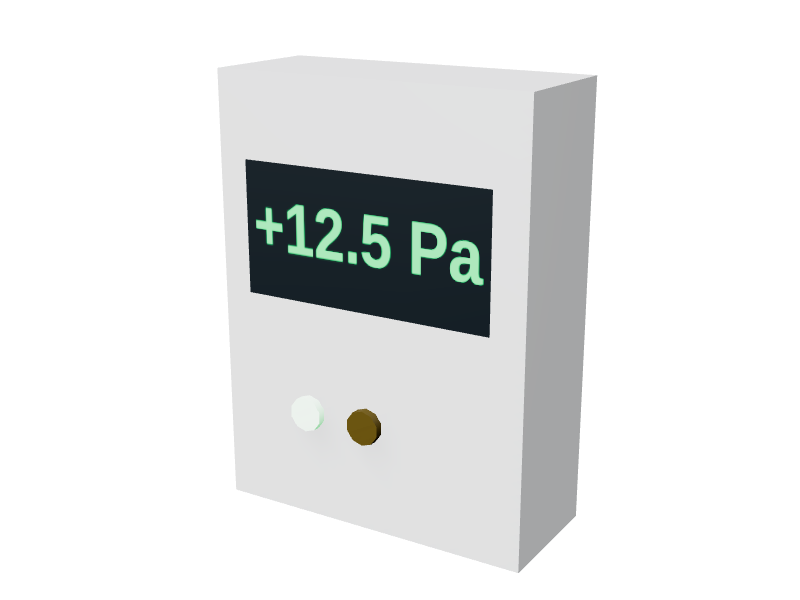
- FFUs recirculate; they do not set room pressure. The balance of makeup air against exhaust and leakage does that.
- Check structure and noise. A fully covered ceiling is heavy, and many fans together are loud. Running EC motors at moderate speed helps both noise and energy use.
- Have filters leak-tested in place and airflow verified before the room is certified, then on the certification schedule. See cleanroom certification and monitoring.
All sizes
| Code | Width | Depth × height | From |
|---|---|---|---|
| CR-FFU-0600 | 600 mm (23½ in) | 1200 × 300 mm | $2,100 |
| CR-FFU-1200 | 1,200 mm (47 in) | 1200 × 300 mm | $2,650 |