What it's for
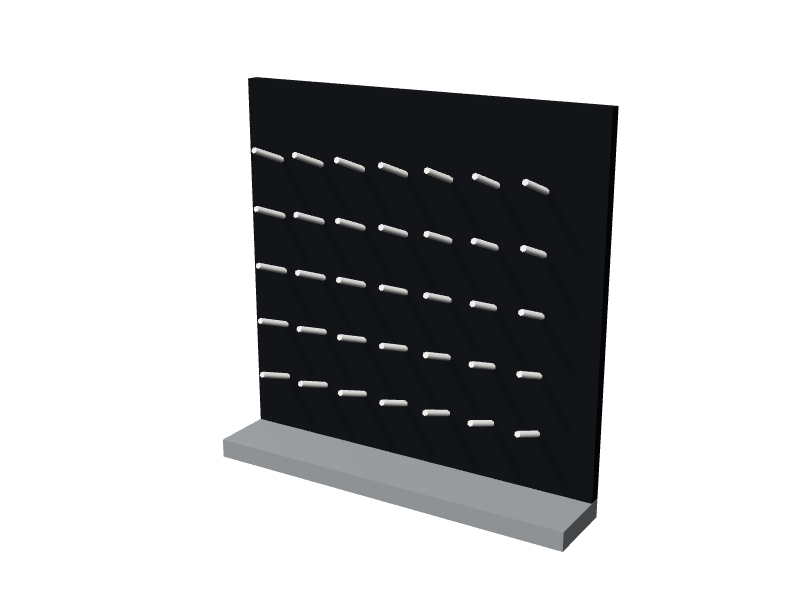
A pegboard drying rack is where washed glassware goes to drain and air-dry. Flasks, cylinders, funnels and test tubes hang upside down on the pegs, water runs down into a trough, and the trough empties into the sink below. It keeps wet glassware off the worktop, saves drying ovens for items that actually need heat, and gives the washing station a clear end point.
Construction and features
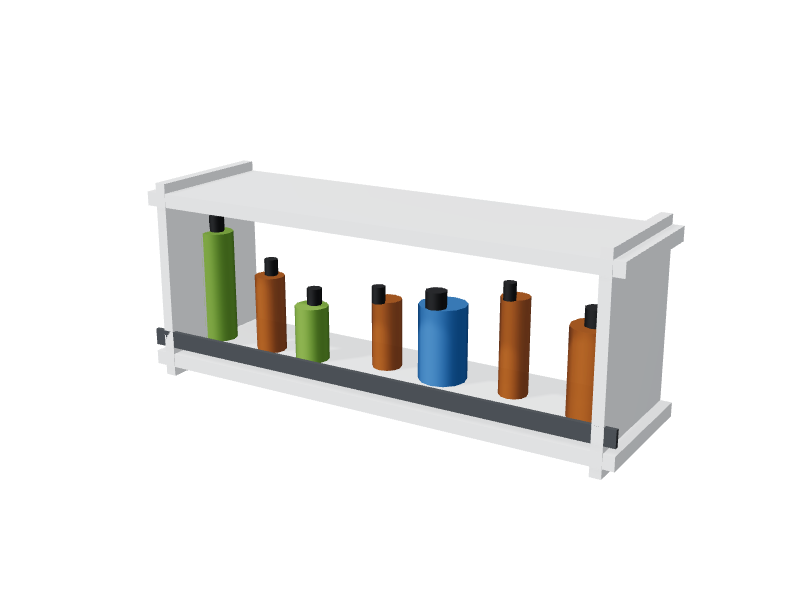
The board is made of epoxy resin, the same family of material used for lab sinks and worktops, so it tolerates acid rinses, detergents and constant wetting. The pegs are removable, so the layout can change to suit the glassware: wider spacing for large flasks, closer spacing for test tubes and small bottles. A drip trough along the bottom catches runoff and directs it into the sink.
On a good-quality rack, check that:
- The pegs angle upward so items do not slide off.
- Each peg fits snugly in its hole without wobbling and will not scratch glass.
- The trough is open enough to clean, since limescale and residue collect there.
Sizes and options
Where it fits
Pegboards belong wherever glassware is washed by hand: a university teaching lab cycling through dozens of student sets, an organic synthesis lab turning over round-bottom flasks and separatory funnels, and an environmental testing lab rinsing sample bottles and volumetric glassware.
Planning notes
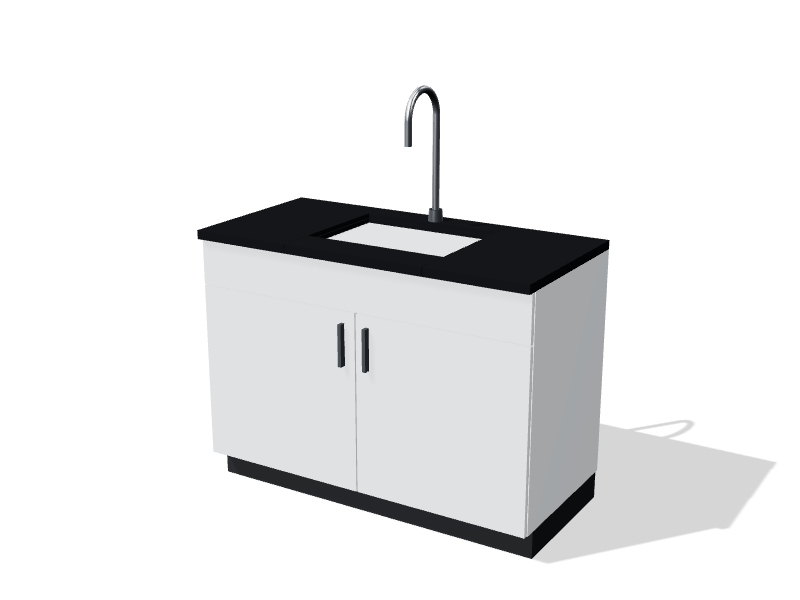
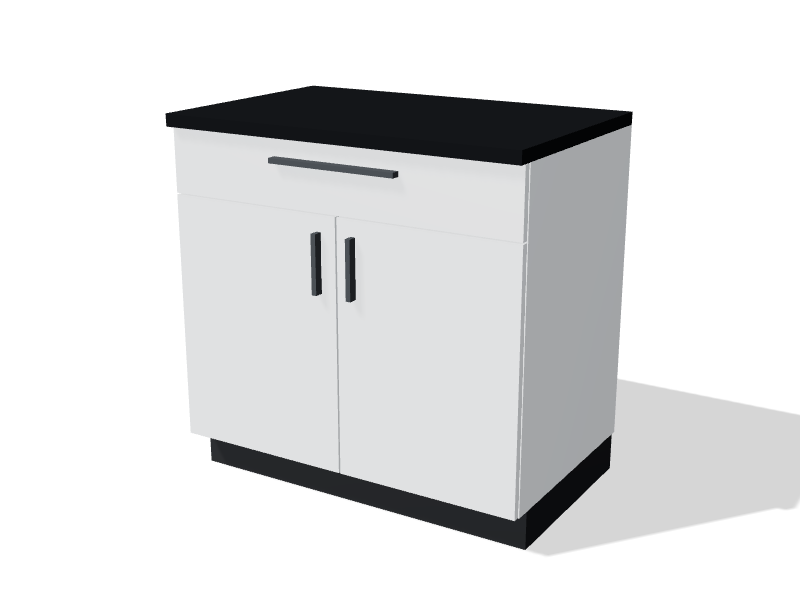
- Mount the board directly over the bowl so the trough empties into the sink, not onto the worktop. A 600 mm board suits the 900 mm sink base; the 900 mm board pairs well with the 1200 mm sink base.
- Check the faucet height. A tall gooseneck must not hit the lowest pegs or splash items hanging there.
- Make sure the wall can carry it. A board full of wet glassware is heavier than it looks, so stud walls need blocking.
- Use a drying oven or a closed cabinet for glassware that must be dried hot or kept dust-free for trace analysis.
- Clean the trough and pegs on the same schedule as the sink; see cleaning and caring for lab surfaces.
- Leave the wall space directly above the board clear, so tall items can be lifted on and off the top row of pegs.
All sizes
| Code | Width | Depth × height | From |
|---|---|---|---|
| PB-EP-0600 | 600 mm (23½ in) | 120 × 600 mm | $690 |
| PB-EP-0900 | 900 mm (35½ in) | 120 × 600 mm | $890 |