Who uses it and what happens there
A containment level 2 (CL2) microbiology lab handles Risk Group 2 organisms: bacteria, fungi and viruses that can cause disease in people or animals but pose a low risk to the wider community, and for which effective treatment or prevention is usually available. Hospital, public health, food, water and academic labs all run CL2 suites. Typical work includes receiving specimens, plating and subculturing, staining and microscopy, identification and susceptibility testing, and preparing media. In Canada the physical and operational requirements for each containment level come from the Canadian Biosafety Standard.
Hazards and containment
The main hazard is infectious aerosols from pipetting, vortexing, centrifuging and opening cultures, followed by splashes, sharps and contaminated surfaces. A Class II biosafety cabinet is the primary containment device for any procedure that can create aerosols. It protects the user, the sample and the room with HEPA-filtered airflow, which makes it a different device from a chemical fume hood; see fume hood or biosafety cabinet. Centrifuges need sealed rotors or safety cups that are opened inside the cabinet. Waste is decontaminated, usually by autoclave, before it leaves the containment zone. A CL2 microbiology lab rarely needs a wall of fume hoods; one small hood for chemical work, or none, is common.
Key equipment and casework
- Class II A2 biosafety cabinets, 1200 or 1800 mm (4 or 6 ft) wide, sized to the number of people working at the same time.
- Incubators, refrigerators and freezers, with floor space planned for them in the casework runs.
- Wall benches with drawers and cupboards, and knee spaces for microscopy.
- A lab sink for media and glassware, separate from the hand-washing sink at the exit.
- A centre bench for plating and reading cultures.
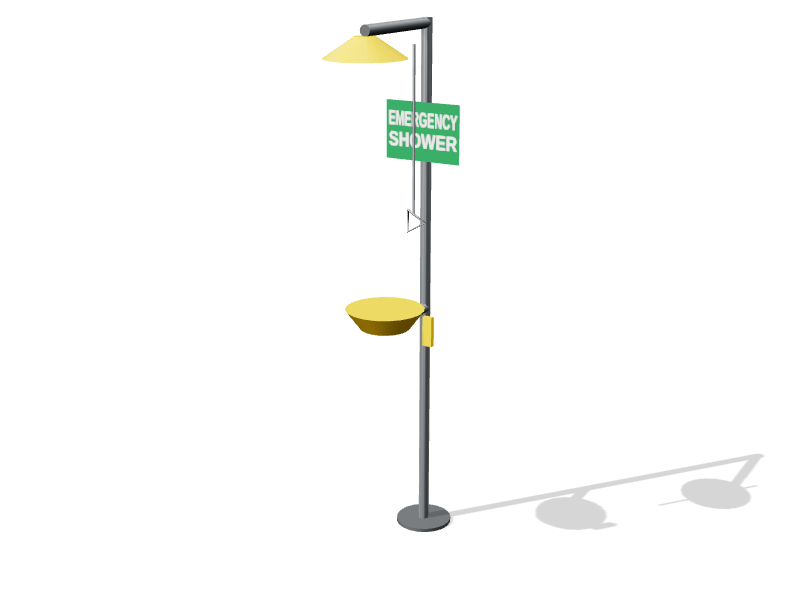
- Storage for PPE near the entrance, and an eyewash, often combined with a shower.
Layout principles
Place biosafety cabinets at the far end of the room, away from the door, supply diffusers and through traffic, since air currents across the front opening can break containment. Avoid putting two cabinets face to face or a cabinet directly opposite the door, and leave clearance at the sides and above for certification access as the manufacturer specifies.
Put the hand-washing sink near the exit so staff wash on the way out, with PPE storage and coat hooks beside it. Keep paperwork and computer stations apart from bench work. Leave aisles of 1.2 to 1.5 m (4 to 5 ft), and plan the route for waste from bench to autoclave so that it does not cross clean areas. Incubators and refrigerators give off heat, so group them where the HVAC design accounts for it.
Finishes and worktops
The Canadian Biosafety Standard expects work surfaces and furniture that are cleanable, non-absorbent and resistant to the chemicals and disinfectants in use. Phenolic resin worktops handle bleach, alcohols and quaternary disinfectants well and cost less than epoxy. Solid phenolic casework does not rust or swell when cabinets are wiped down every day, which makes it a good fit for wet, disinfectant-heavy rooms. Seal joints at walls and backsplashes so spills cannot collect in gaps.
Utilities and services
CL2 does not require inward directional airflow, unlike CL3, but supply air should be gentle around the cabinets. Class II A2 cabinets usually exhaust back into the room; if work involves volatile chemicals, a canopy connection to the building exhaust may be needed. Protect vacuum lines with in-line filters and disinfectant traps. Incubators and freezers need dedicated circuits, and many labs put them on emergency power. Provide hot and cold water at the hand-washing sink, and CO2 for any incubators that need it.
Compliance points
- Work with Risk Group 2 human pathogens in Canada generally needs a licence under the Human Pathogens and Toxins Act, issued by the Public Health Agency of Canada.
- The Canadian Biosafety Standard sets CL2 requirements, including a hand-washing sink near the exit, lockable doors, biohazard signage at the entry and access to an eyewash.
- Biosafety cabinets should be certified at installation, annually and after any move, to NSF/ANSI 49 or the CSA equivalent.
- Terrestrial animal pathogens also fall under the Canadian Food Inspection Agency.
Your biosafety officer and the conditions of your licence have the final word on the containment zone.
About the starting layout
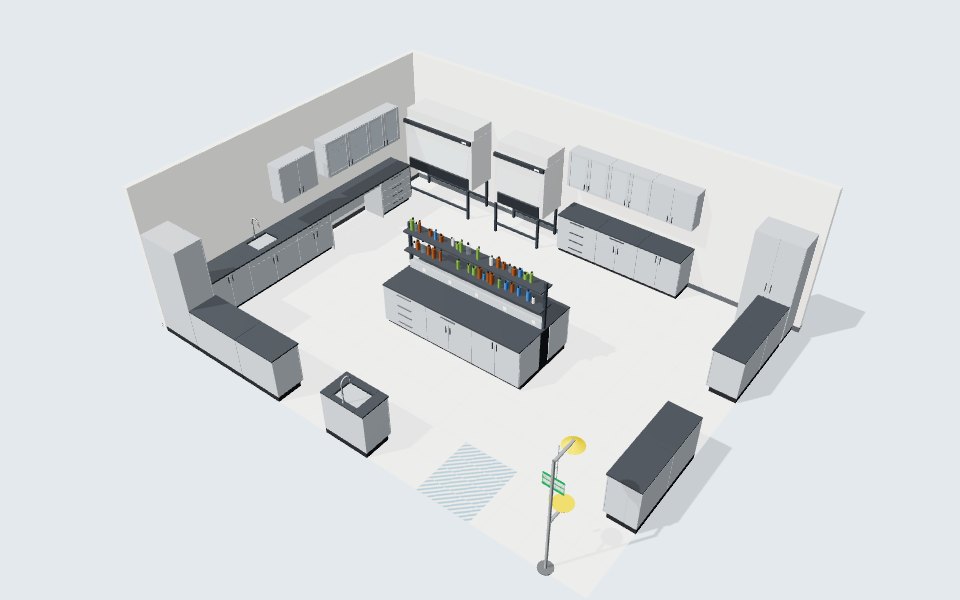
The starting layout is a 9 × 7 m (30 × 23 ft) CL2 room with two Class II biosafety cabinets on the back wall, well away from the door, and solid phenolic casework with phenolic worktops throughout. Wall benches hold microscopy positions, a lab sink and floor space for incubators, a centre bench handles plating, and a hand-washing sink and a shower with eyewash sit beside the exit. Adapt it in the lab planner or book a consultation to review it with your biosafety officer.
Starting layout: bill of materials
27 items in a 9 × 7 m room with a 3 m ceiling. Budgetary list prices; adjust anything in the planner.
| Code | Product | Qty | Unit |
|---|---|---|---|
| BC-4D-0900 | Base cabinet, 4 drawers Solid phenolic, Pearl grey · Phenolic resin, charcoal | 4 | $2,400 |
| BC-DD-0900 | Base cabinet, drawer over doors Solid phenolic, Pearl grey · Phenolic resin, charcoal | 3 | $1,980 |
| BC-HD-0900 | Base cabinet, hinged doors Solid phenolic, Pearl grey · Phenolic resin, charcoal | 4 | $1,820 |
| BC-HD-1200 | Base cabinet, hinged doors Solid phenolic, Pearl grey · Phenolic resin, charcoal | 1 | $2,210 |
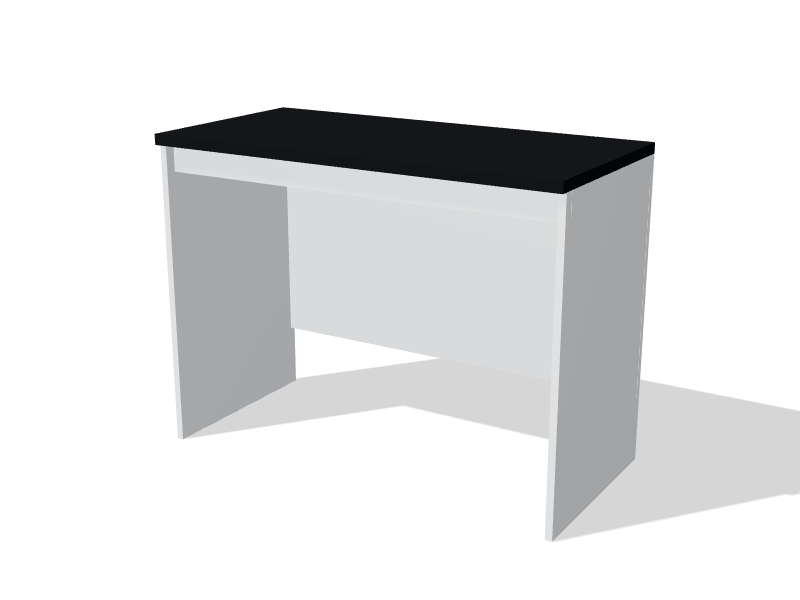
| BC-KS-1500 | Knee space with modesty panel Solid phenolic, Pearl grey · Phenolic resin, charcoal | 1 | $1,240 |
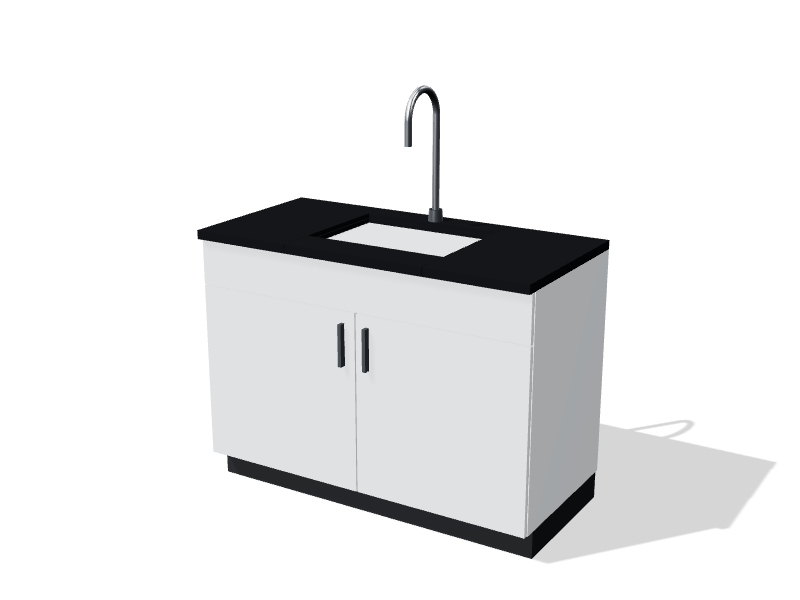
| BC-SK-0900 | Sink base with epoxy sink & faucet Solid phenolic, Pearl grey · Phenolic resin, charcoal | 1 | $2,910 |
| BC-SK-1200 | Sink base with epoxy sink & faucet Solid phenolic, Pearl grey · Phenolic resin, charcoal | 1 | $3,370 |
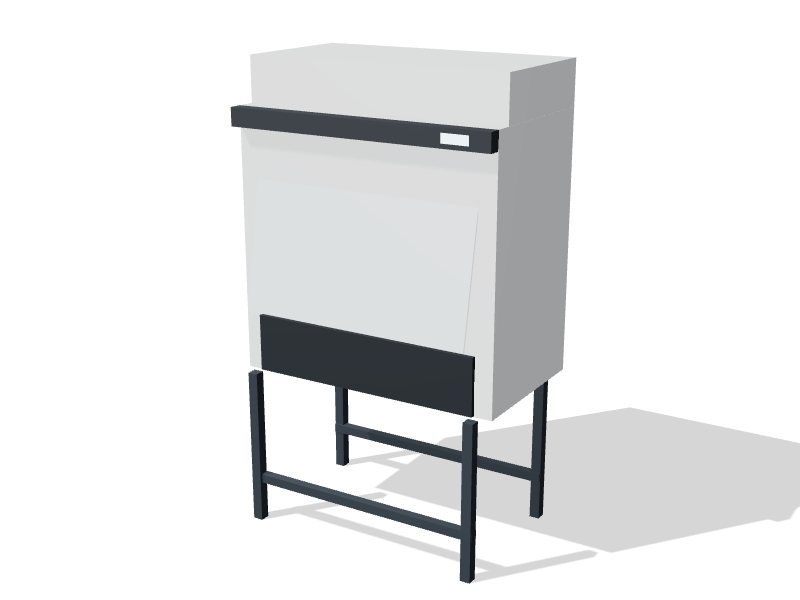
| BS-A2-1200 | Biosafety cabinet, Class II A2 | 1 | $14,800 |
| BS-A2-1800 | Biosafety cabinet, Class II A2 | 1 | $17,900 |
| ES-CB-0600 | Emergency shower & eyewash | 1 | $1,850 |
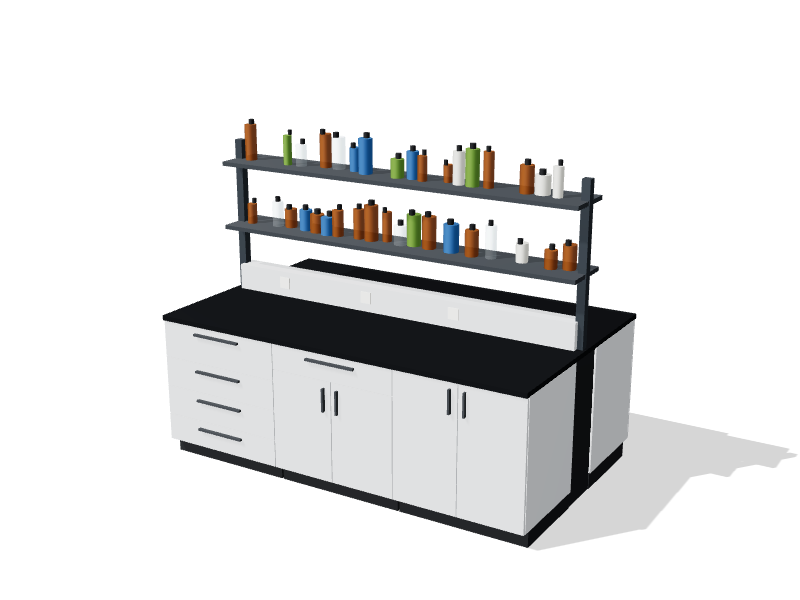
| IB-RS-3000 | Island bench with reagent shelving Solid phenolic, Pearl grey · Phenolic resin, charcoal | 1 | $15,280 |
| TC-ST-0900 | Tall storage cabinet Solid phenolic, Pearl grey | 2 | $2,300 |
| WC-GL-0900 | Wall cabinet, glass doors Solid phenolic, Pearl grey | 3 | $1,210 |
| WC-GL-1200 | Wall cabinet, glass doors Solid phenolic, Pearl grey | 1 | $1,440 |
| WC-SD-0900 | Wall cabinet, solid doors Solid phenolic, Pearl grey | 2 | $1,060 |
| Starting layout total | $94,170 |