A radioisotope lab is where people handle unsealed nuclear substances such as phosphorus-32, sulphur-35, tritium, carbon-14 and iodine-125. Researchers in biochemistry, molecular biology, pharmacology and environmental science use them to label and trace molecules, and hospitals use related rooms for nuclear medicine. The quantities are usually small, but the work demands discipline: every transfer, spill and waste container has to be accounted for, and surfaces must come clean after a spill.
Hazards and containment
The hazards are external exposure, mainly from higher-energy beta and gamma emitters, and internal exposure from inhaling, swallowing or absorbing radioactive material. Volatile compounds, especially radioiodine, can become airborne. Contamination spreads on gloves, shoes and equipment if work areas are not controlled.
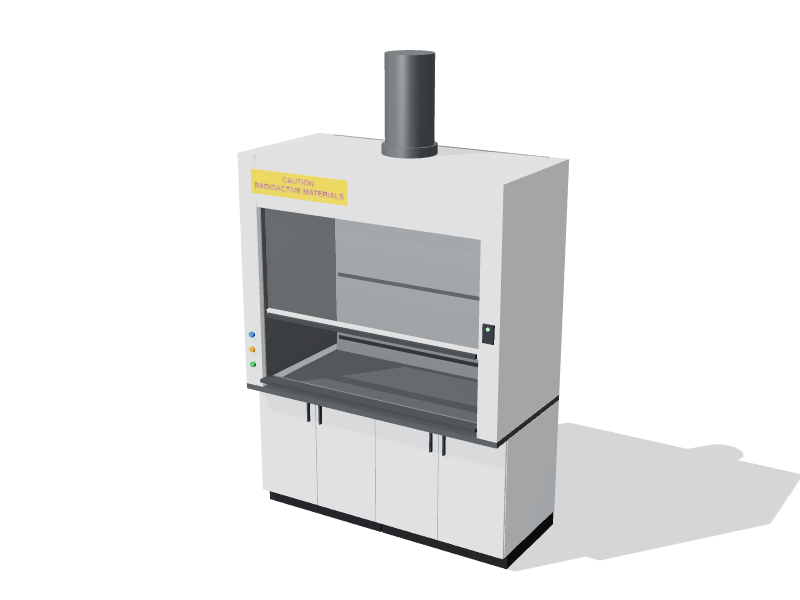
Containment combines time, distance and shielding with good surfaces and ventilation. Work with volatile or dusty material happens in a radioisotope fume hood, which has a seamless stainless liner, coved corners and a reinforced work surface that can carry lead shielding. Its exhaust may need filtration, such as charcoal for radioiodine. Benches use acrylic or lead shields, spill trays and absorbent paper. A Class II biosafety cabinet covers biological work with radiolabels where the radiation safety program allows it.
Equipment and casework
- One or more radioisotope hoods, with base cabinets rated for the weight of shielding
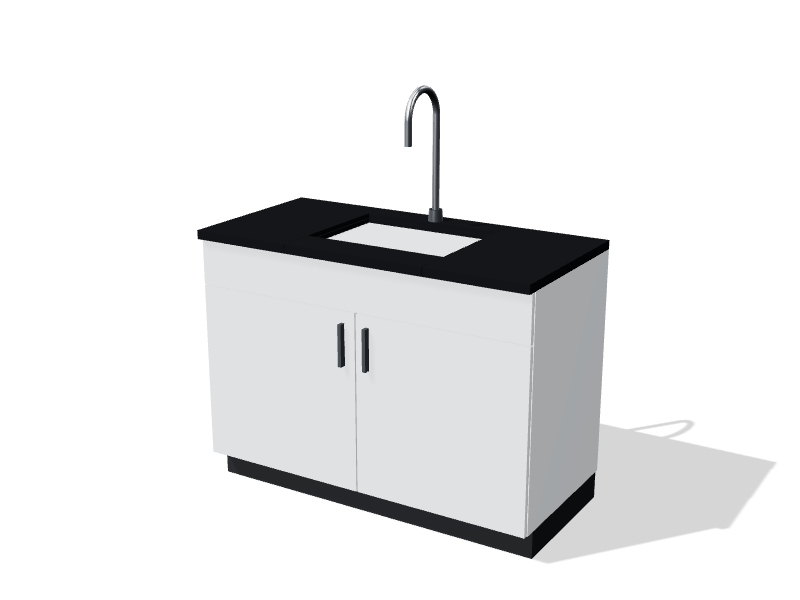
- A designated sink for decontamination, separate from the hand-wash sink
- Benches with smooth, sealed tops and room for shields and spill trays
- Lockable storage for stock solutions and sources, often a fridge or freezer
- Shielded containers for solid and liquid waste
- Liquid scintillation and gamma counters, ideally away from active work to keep background low
- A flammable cabinet for scintillation cocktails and solvents
- A contamination monitor and hand-wash sink at the exit
Layout principles
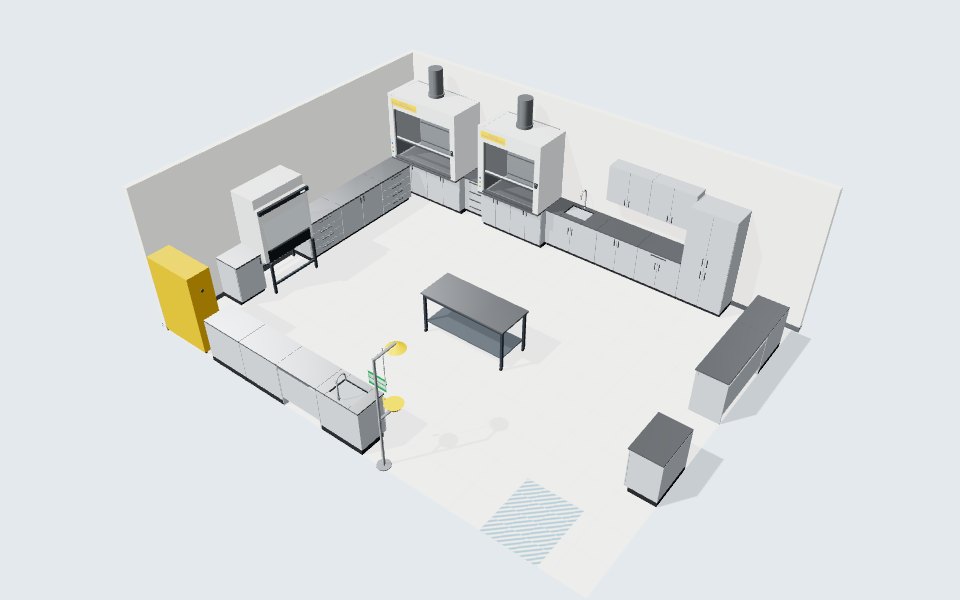
Zone the room from hot to clean. Put hoods and the designated sink in the part of the room farthest from the door, bench work in the middle, counting instruments in a low-traffic area, and a clean area by the exit where people check hands, shoes and coats with a survey meter before leaving. Nobody should have to carry open material past the door.
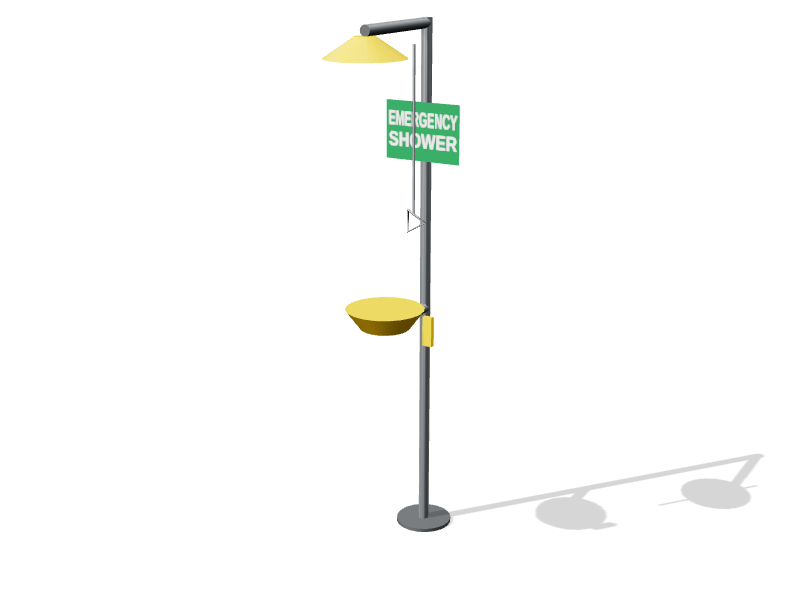
Keep hoods out of the main walkway and away from the door, as you would in any chemistry lab; the radioisotope hood guide covers clearances and exhaust. Leave space for waste containers close to where waste is produced, but not in the path to the exit. Mark work areas clearly, and avoid open shelving, which gathers dust and contamination. The emergency shower and eyewash sit near the exit.
Finishes and worktops
Every surface should be smooth, non-porous and easy to decontaminate, with sealed seams and no exposed wood. Stainless steel worktops are the usual choice for hot work: they clean well and do not absorb contamination, and with suitable casework underneath they carry the weight of lead bricks. Solid phenolic casework resists moisture and cleaning agents and has no painted coating to chip, which suits a room that is wiped down often. Floors should be seamless sheet flooring coved up the wall.
Utilities and services
- Dedicated hood exhaust with filtration where the licence or your program requires it, and stacks placed so exhaust does not re-enter the building
- Water and drains for the designated sink, with any discharge limits set in the licence
- Dedicated circuits for counters, freezers and the hood airflow monitors
- Data ports for inventory, survey and dose records
Plan for decommissioning from the start. Sealed, cleanable finishes and accessible services make the final contamination survey much simpler when the room changes use.
Compliance points in Canada
Possessing or using unsealed nuclear substances above exemption quantities requires a licence from the Canadian Nuclear Safety Commission (CNSC). The CNSC classifies rooms by the substances and quantities handled, and rooms at the higher classifications need their design reviewed before construction. The licence sets requirements for training, dosimetry, contamination monitoring, inventory, waste and decommissioning. Radioisotope hoods should be certified against CSA Z316.5, and the shower and eyewash should meet ANSI Z358.1. Your radiation safety officer is the final authority on room design and procedures.
About the starting layout
The 3D starting layout is a 9 by 7 m (30 by 23 ft) room with two radioisotope hoods and a designated sink on the back wall, shielding-ready benches and a biosafety cabinet on the left, a counting area with open floor for a scintillation counter on the right, a stainless-topped work table in the centre, and waste storage, a monitoring station, a hand-wash sink and an emergency shower by the exit. Adapt it in the lab planner or book a consultation.
Starting layout: bill of materials
24 items in a 9 × 7 m room with a 3 m ceiling. Budgetary list prices; adjust anything in the planner.
| Code | Product | Qty | Unit |
|---|---|---|---|
| BC-4D-0600 | Base cabinet, 4 drawers Solid phenolic, Pearl grey · Stainless steel 316 | 1 | $2,160 |
| BC-4D-0900 | Base cabinet, 4 drawers Solid phenolic, Pearl grey · Stainless steel 316 | 3 | $2,740 |
| BC-DD-0900 | Base cabinet, drawer over doors Solid phenolic, Pearl grey · Stainless steel 316 | 2 | $2,320 |
| BC-HD-0600 | Base cabinet, hinged doors Solid phenolic, Pearl grey · Stainless steel 316 | 1 | $1,630 |
| BC-HD-0900 | Base cabinet, hinged doors Solid phenolic, Pearl grey · Stainless steel 316 | 3 | $2,170 |
| BC-HD-1200 | Base cabinet, hinged doors Solid phenolic, Pearl grey · Stainless steel 316 | 1 | $2,660 |
| BC-KS-0900 | Knee space with modesty panel Solid phenolic, Pearl grey · Stainless steel 316 | 1 | $1,200 |
| BC-KS-1500 | Knee space with modesty panel Solid phenolic, Pearl grey · Stainless steel 316 | 1 | $1,810 |
| BC-SK-0900 | Sink base with epoxy sink & faucet Solid phenolic, Pearl grey · Stainless steel 316 | 1 | $3,250 |
| BC-SK-1200 | Sink base with epoxy sink & faucet Solid phenolic, Pearl grey · Stainless steel 316 | 1 | $3,830 |
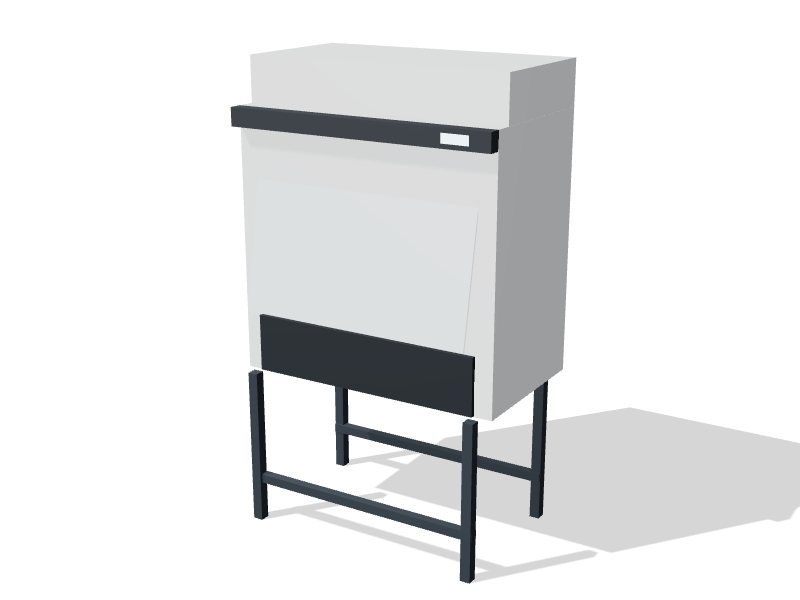
| BS-A2-1200 | Biosafety cabinet, Class II A2 | 1 | $14,800 |
| ES-CB-0600 | Emergency shower & eyewash | 1 | $1,850 |
| FH-RI-1500 | Radioisotope fume hood Solid phenolic, Pearl grey | 1 | $18,370 |
| FH-RI-1800 | Radioisotope fume hood Solid phenolic, Pearl grey | 1 | $20,380 |
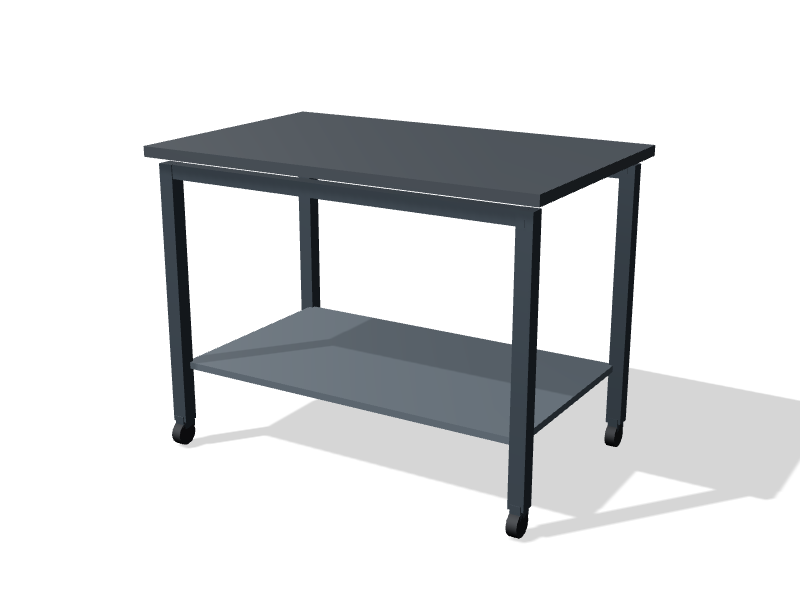
| MT-C-1800 | Mobile lab table Stainless steel 316 | 1 | $2,660 |
| SC-FL45-1090 | Flammable liquids cabinet, 45 gal | 1 | $2,480 |
| TC-ST-0900 | Tall storage cabinet Solid phenolic, Pearl grey | 1 | $2,300 |
| WC-SD-0900 | Wall cabinet, solid doors Solid phenolic, Pearl grey | 2 | $1,060 |
| Starting layout total | $100,870 |