Labs that test cannabis analyze dried flower, oils, extracts, edibles and topicals for licensed producers and processors. A typical panel covers cannabinoid potency, terpenes, residual solvents, pesticides, heavy metals, mycotoxins, moisture and microbial contamination. The work is analytical chemistry on a regulated product: samples are received, stored, tested and destroyed under licence, and the results go into certificates of analysis that producers rely on to release product.
Hazards and containment
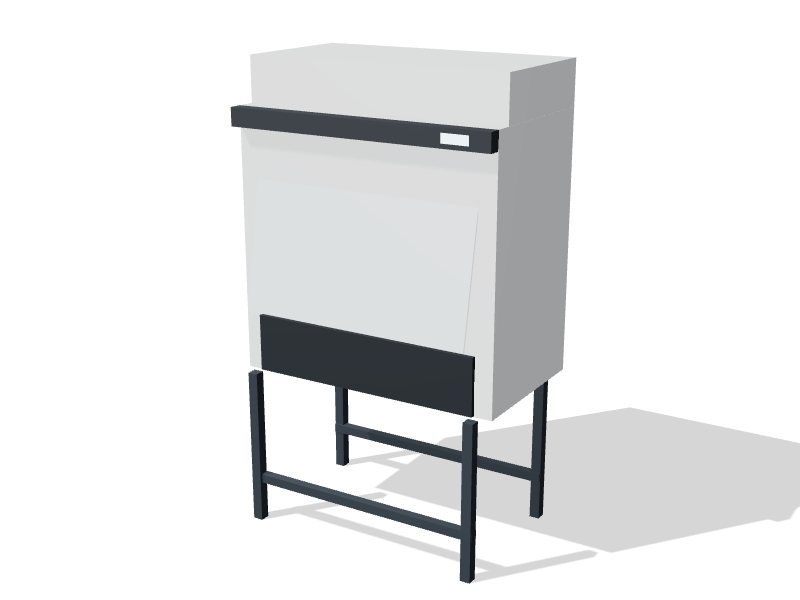
Most hazards come from the methods, not the cannabis. Extraction uses solvents such as methanol, acetonitrile and hexane. Metals testing needs strong acids for microwave digestion. Microbial testing grows bacteria, yeasts and moulds from samples, which calls for biosafety practices and a Class II biosafety cabinet for plating and transfers. Grinding dry plant material makes dust, and compressed gases supply the chromatographs and mass spectrometers.
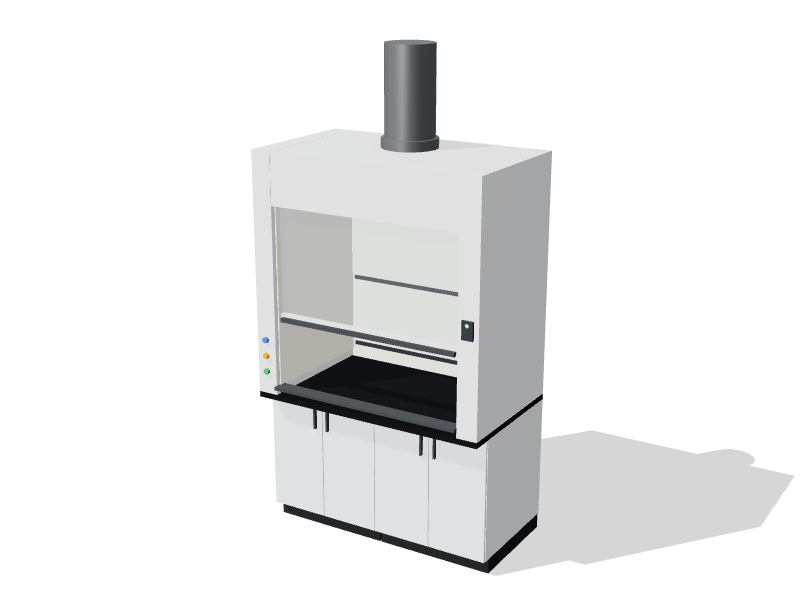
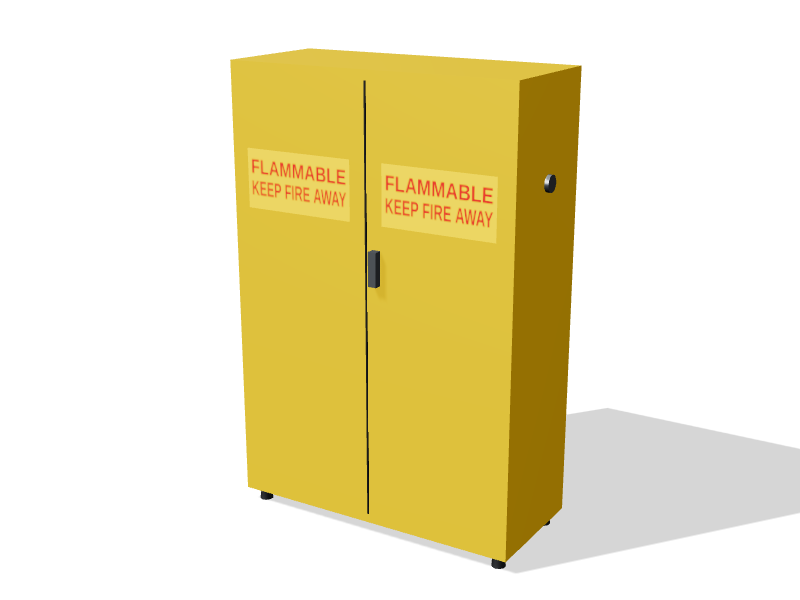
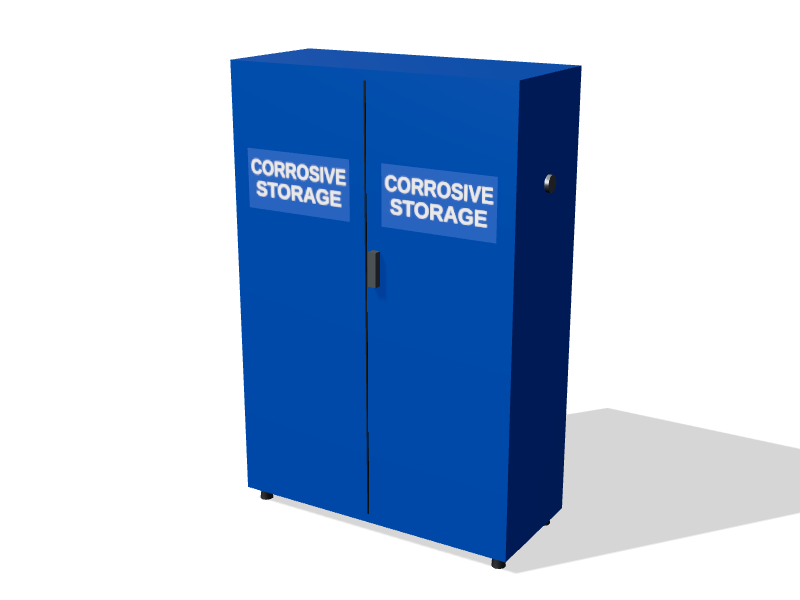
Containment follows the hazard: fume hoods for solvent extraction and acid digestion, a biosafety cabinet for microbiology, and local exhaust for instrument vents and the ICP-MS. Keep flammables and acids in separate cabinets on different walls.
Equipment and casework
- HPLC for potency, and LC-MS/MS and GC-MS/MS for pesticides and mycotoxins
- Headspace GC for residual solvents
- ICP-MS with a microwave digestion system for metals
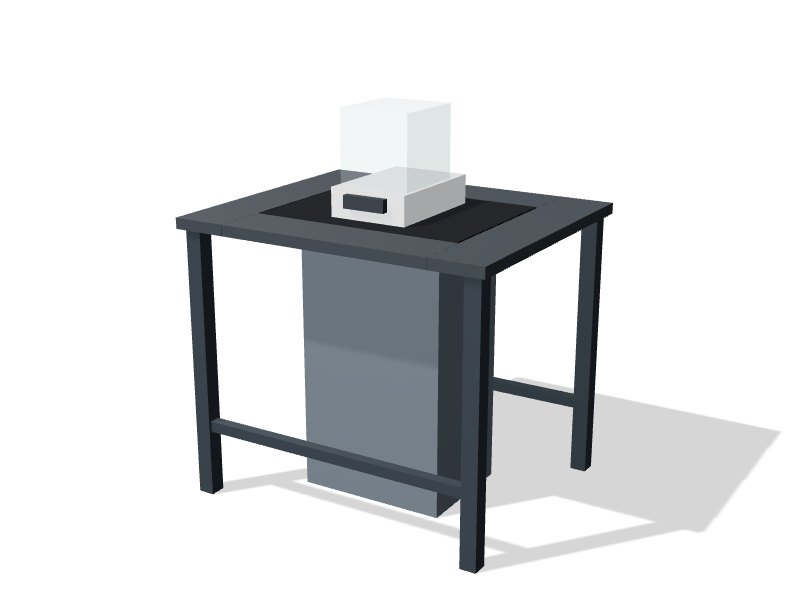
- Analytical balances on vibration-isolated tables
- Grinders, homogenizers, centrifuges, shakers and evaporators for sample prep
- A biosafety cabinet, incubators and an autoclave for microbiology
- Secure, access-controlled storage for samples and retained material
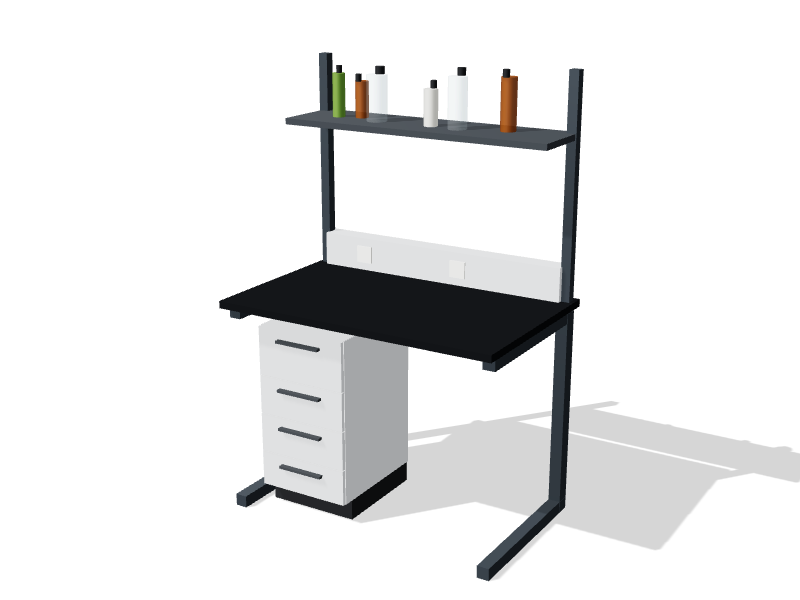
Instruments change as methods evolve, so put them on adaptable C-frame benches rather than fixed casework. Mass spectrometers need room behind them for vacuum pumps and service access.
Layout principles
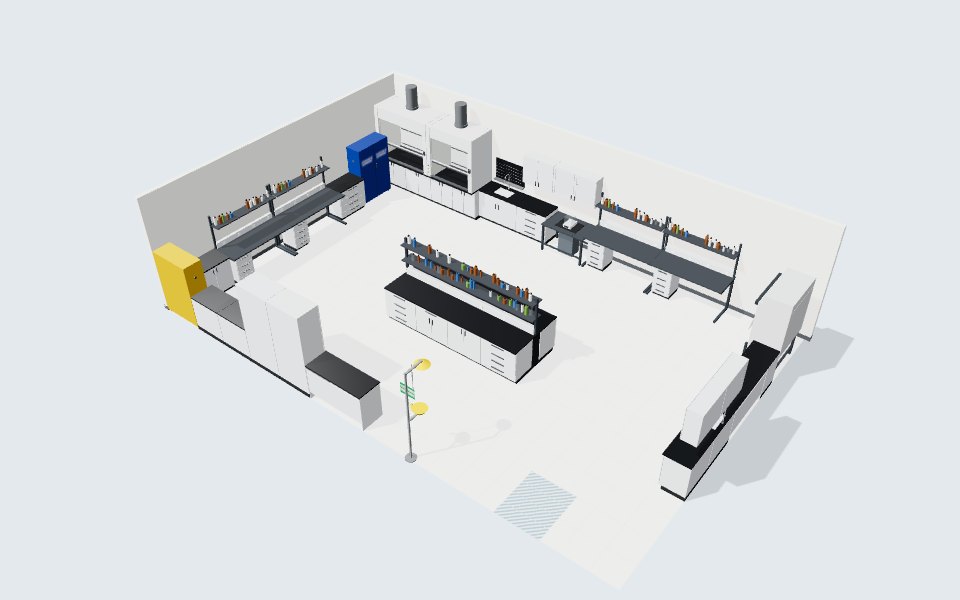
Split the lab into four zones: sample receipt and secure storage near the entry, sample prep with hoods and balances, the instrument area, and a separate microbiology bay. Keep microbiology away from the prep area, where dust and traffic are high, and away from the door.
Place fume hoods on the wall farthest from the door. One hood handles solvent extraction; give the acid digestion hood a PVC liner and keep the corrosives cabinet close to it. Put balances where hood exhaust, supply diffusers and foot traffic will not disturb them. Leave clear floor space for floor-standing instruments and their exhaust connections. A central island works well for grinding and homogenizing, with good aisles around it for carts.
The emergency shower and eyewash belong near the exit, within easy reach of the hoods.
Finishes and worktops
Epoxy resin worktops resist the solvents and acids used in prep and digestion and handle hot plates well, so use them around hoods and sinks. Phenolic resin is a lighter, tougher choice for instrument benches, where impact and frequent reconfiguration matter more than resistance to strong acids. Painted steel casework is a practical default. In the microbiology bay, choose smooth, seamless surfaces that stand up to repeated disinfection.
Utilities and services
- Gases: nitrogen (often from a generator), helium or hydrogen for GC, and argon for ICP-MS
- Dedicated circuits with UPS for mass spectrometers, and heat removal for their pumps
- Purified water at reagent grade for sample prep and mobile phases
- Exhaust connections for hoods, instrument vents and the ICP-MS
- Data ports for the laboratory information management system at each instrument
Plan gas and data drops with spare capacity. Testing menus grow, and adding an instrument is far easier when services already reach the bench.
Compliance points in Canada
A lab that tests cannabis for the legal market needs a Health Canada licence for analytical testing under the Cannabis Act and the Cannabis Regulations. The licence brings requirements for personnel, security and record keeping, so plan secure storage and controlled access from the start. Many labs also hold ISO/IEC 17025 accreditation, and clients often expect it. Microbiology work should follow the Canadian Biosafety Standard. Fume hoods should be certified against CSA Z316.5, and flammable storage should follow NFPA 30 and the National Fire Code of Canada. Confirm the details of your licence with Health Canada before you finalize the plan.
About the starting layout
The 3D starting layout is a 12 by 8 m (39 by 26 ft) lab with a solvent hood, a PVC-lined digestion hood, a sink and a balance table on the back wall, C-frame instrument benches with open floor for an ICP-MS, a microbiology bay with a biosafety cabinet, a receiving station and secure sample storage on the entry wall, and a central prep island. Adapt it in the lab planner or book a consultation.
Starting layout: bill of materials
30 items in a 12 × 8 m room with a 3 m ceiling. Budgetary list prices; adjust anything in the planner.
| Code | Product | Qty | Unit |
|---|---|---|---|
| AB-CF-1800 | Adaptable C-frame bench Painted steel, Arctic white · Phenolic resin, charcoal | 4 | $5,160 |
| BC-4D-0600 | Base cabinet, 4 drawers Painted steel, Arctic white · Epoxy resin, black | 1 | $1,810 |
| BC-4D-0900 | Base cabinet, 4 drawers Painted steel, Arctic white · Epoxy resin, black | 3 | $2,270 |
| BC-DD-0900 | Base cabinet, drawer over doors Painted steel, Arctic white · Epoxy resin, black | 2 | $1,900 |
| BC-HD-0900 | Base cabinet, hinged doors Painted steel, Arctic white · Epoxy resin, black | 1 | $1,760 |
| BC-KS-1500 | Knee space with modesty panel Painted steel, Arctic white · Epoxy resin, black | 2 | $1,320 |
| BC-SK-0900 | Sink base with epoxy sink & faucet Painted steel, Arctic white · Epoxy resin, black | 1 | $2,730 |
| BC-SK-1200 | Sink base with epoxy sink & faucet Painted steel, Arctic white · Epoxy resin, black | 1 | $3,180 |
| BS-A2-1200 | Biosafety cabinet, Class II A2 | 1 | $14,800 |
| BT-GR-1200 | Anti-vibration balance table | 1 | $3,100 |
| ES-CB-0600 | Emergency shower & eyewash | 1 | $1,850 |
| FH-BP-1500 | Benchtop fume hood, bypass Painted steel, Arctic white · PVC liner (acid digestion) | 1 | $13,300 |
| FH-BP-1800 | Benchtop fume hood, bypass Painted steel, Arctic white · Fiberglass liner | 1 | $12,100 |
| IB-RS-3600 | Island bench with reagent shelving Painted steel, Arctic white · Epoxy resin, black | 1 | $17,280 |
| PB-EP-0900 | Epoxy pegboard drying rack | 1 | $890 |
| SC-CR30-1090 | Corrosives cabinet, 30 gal | 1 | $2,290 |
| SC-FL45-1090 | Flammable liquids cabinet, 45 gal | 1 | $2,480 |
| TC-ST-0900 | Tall storage cabinet Painted steel, Arctic white | 2 | $2,050 |
| WC-GL-0900 | Wall cabinet, glass doors Painted steel, Arctic white | 1 | $1,080 |
| WC-GL-1200 | Wall cabinet, glass doors Painted steel, Arctic white | 1 | $1,290 |
| WC-SD-0900 | Wall cabinet, solid doors Painted steel, Arctic white | 2 | $950 |
| Starting layout total | $119,830 |