Who uses it and what happens there
Assay and geochemistry labs measure metal content in rock, soil, drill core and process samples for exploration, mine grade control and metallurgy. Samples pass through preparation (drying, crushing and pulverizing). Gold and platinum group metals then usually go to fire assay, while base metals and multi-element packages go to acid digestion followed by AAS, ICP-OES or ICP-MS. Commercial labs handle large daily volumes, and mine site labs often run around the clock. This page covers the wet chemistry and instrument lab, which sits beside separate sample preparation and fire assay rooms.
Hazards and containment
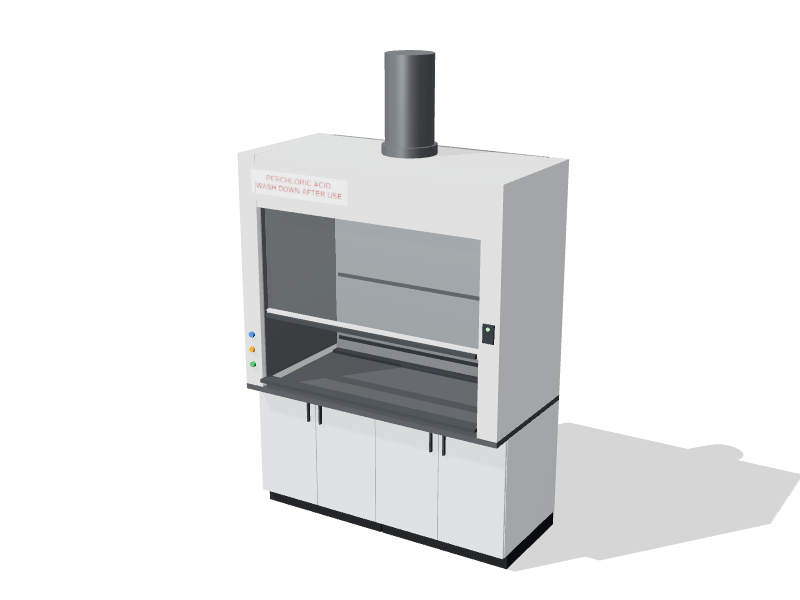
Acid digestion is the core hazard. Aqua regia gives off nitrogen oxides and chlorine. Four-acid digestions add hydrofluoric acid, which causes deep burns and systemic poisoning, and perchloric acid, which can leave explosive perchlorate deposits in ductwork. Perchloric work needs a dedicated perchloric acid hood with a washdown system and its own exhaust, never shared with other hoods. Other digestions suit hoods with PVC liners, since hydrofluoric acid attacks the glass in fiberglass liners. Dust from sample preparation (silica and metals) and fire assay fumes, which include lead, belong in their own rooms with dust collection and furnace exhaust.
Key equipment and casework
- A perchloric acid hood with washdown for digestions that use perchloric acid.
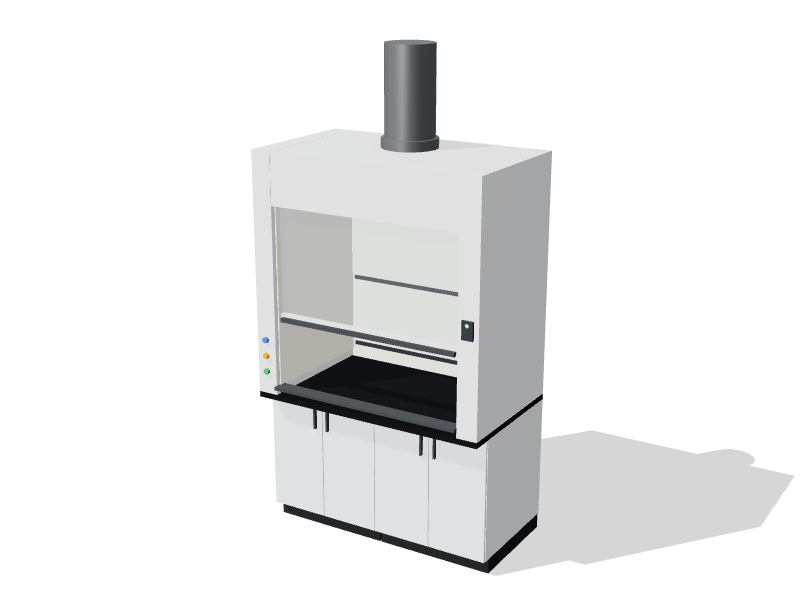
- Several PVC-lined fume hoods with hot blocks for aqua regia and other acid digestions.
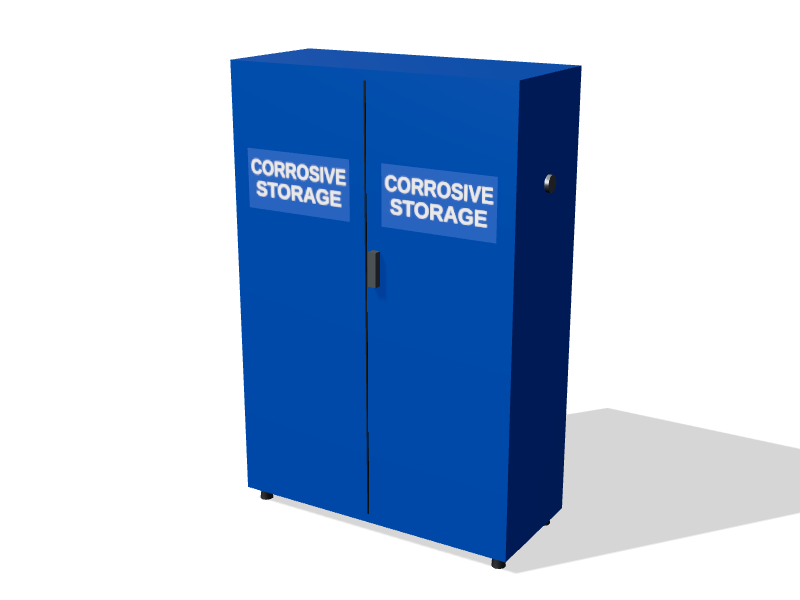
- Corrosive storage cabinets near the hoods, with hydrofluoric and perchloric acids segregated from other acids and from organic materials.
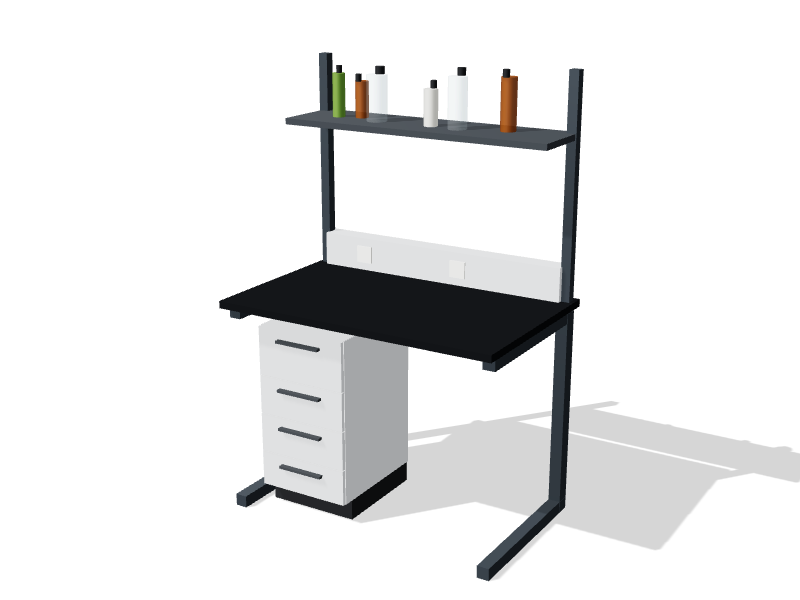
- Instrument benches for AAS and ICP, with point exhaust over each instrument.
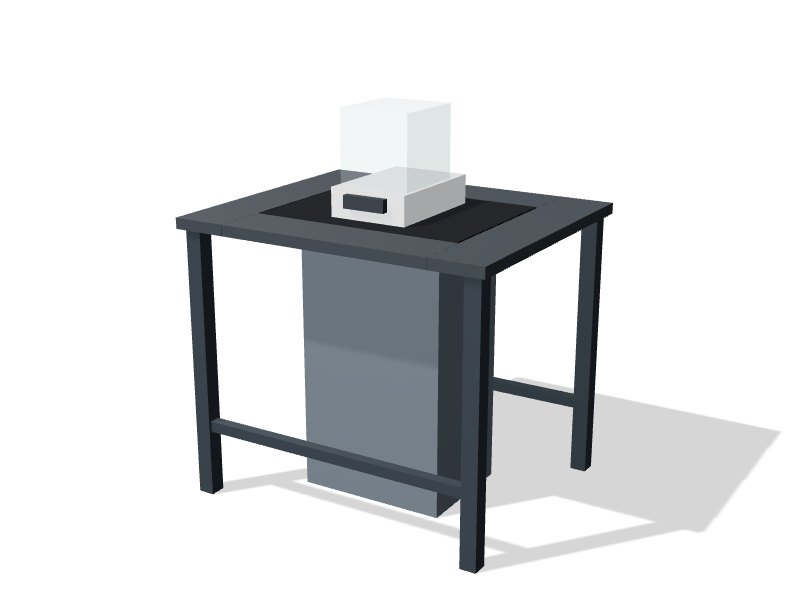
- Balance tables and sample racks for weighing pulps.
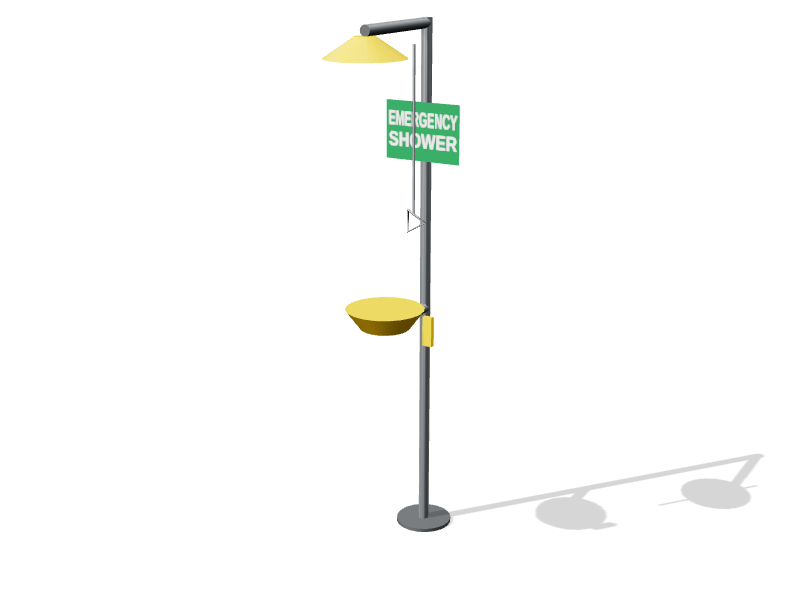
- An emergency shower and eyewash near the exit, with hydrofluoric acid first aid supplies.
Layout principles
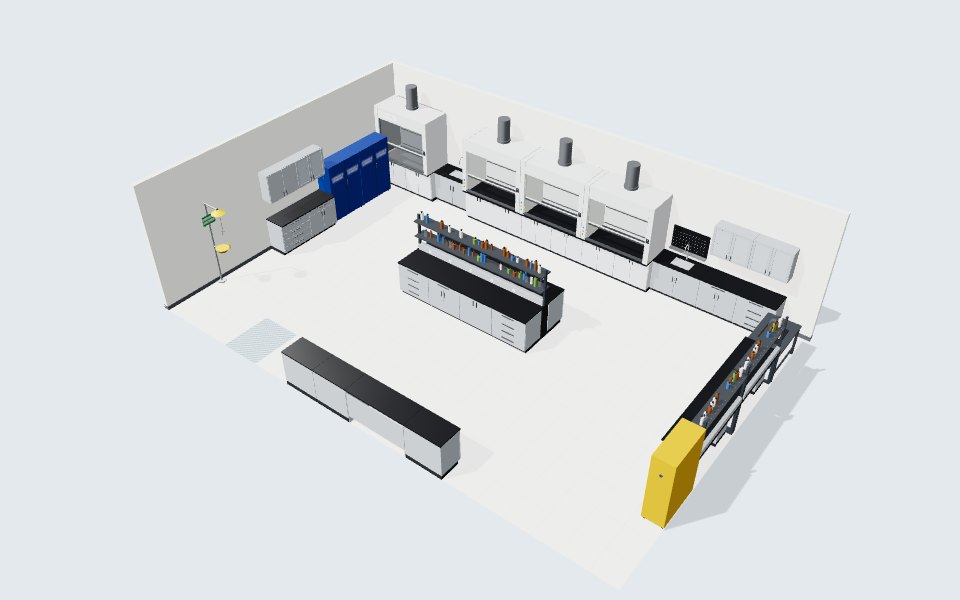
Arrange the lab in sample order: weighing, digestion, dilution, then instruments, with the shortest possible carry of acid-filled tubes. Put the perchloric hood at the end of the hood row, where its washdown drain and dedicated duct can run straight up. Keep instruments and balances away from the digestion hoods, since acid fumes corrode electronics and drafts upset balances.
Leave 1.5 m (5 ft) of clear floor in front of every hood. Place acid storage near the hoods, and put the shower and eyewash on the route to the exit, within about 10 seconds of the hoods. Keep the hoods well away from the door. Plan the sample flow so that pulps never come back through the digestion area once they have been weighed.
Finishes and worktops
Acid fumes attack painted steel over time, so solid phenolic casework is a strong choice for assay labs: it does not rust and holds up to repeated acid wipe-downs. Use epoxy resin worktops at hoods and sinks. Choose a PVC hood liner for general acid digestion; perchloric acid hoods commonly have a stainless steel interior with coved corners that the washdown can flush. Keep wood and other organic materials out of and away from perchloric hoods.
Utilities and services
Exhaust volume is high, and acid fumes often call for corrosion-resistant ductwork and fans, with a scrubber where environmental permits require one. The perchloric hood needs a water supply and drain for washdown, and a duct and fan dedicated to that hood; our guide to perchloric acid hoods covers the details. Hot blocks and instruments need dedicated circuits. ICP instruments use large volumes of argon, usually from a bulk liquid tank. Provide high-purity water for dilutions, and acid-resistant drainage with neutralization as local bylaws require.
Compliance points
- NFPA 45 covers perchloric acid hoods and their exhaust, and CSA Z316.5 covers fume hood installation and exhaust in Canada.
- ANSI/ASHRAE 110 for hood containment testing at commissioning.
- Provincial occupational health and safety rules set exposure limits for silica, lead and acid gases; your first aid plan should cover hydrofluoric acid.
- Commercial assay labs are commonly accredited to ISO/IEC 17025 through the Standards Council of Canada.
- ANSI Z358.1 for the shower and eyewash.
The engineer of record and your EHS office decide on scrubbers, duct materials and hydrofluoric acid procedures.
About the starting layout
The starting layout is a 12 × 8 m (39 × 26 ft) room with a perchloric acid hood with washdown in the back left corner, three PVC-lined digestion hoods along the back wall and two sinks for acid rinsing. Two corrosive cabinets sit near the hoods on the left wall, a balance table and two instrument benches line the right wall, and solid phenolic casework is used throughout. Adapt it in the lab planner or book a consultation.
Starting layout: bill of materials
27 items in a 12 × 8 m room with a 3.3 m ceiling. Budgetary list prices; adjust anything in the planner.
| Code | Product | Qty | Unit |
|---|---|---|---|
| AB-CF-1800 | Adaptable C-frame bench Solid phenolic, Pearl grey · Epoxy resin, black | 2 | $5,910 |
| BC-4D-0900 | Base cabinet, 4 drawers Solid phenolic, Pearl grey · Epoxy resin, black | 3 | $2,490 |
| BC-DD-0900 | Base cabinet, drawer over doors Solid phenolic, Pearl grey · Epoxy resin, black | 2 | $2,080 |
| BC-HD-0900 | Base cabinet, hinged doors Solid phenolic, Pearl grey · Epoxy resin, black | 2 | $1,920 |
| BC-KS-1500 | Knee space with modesty panel Solid phenolic, Pearl grey · Epoxy resin, black | 1 | $1,400 |
| BC-SK-1200 | Sink base with epoxy sink & faucet Solid phenolic, Pearl grey · Epoxy resin, black | 2 | $3,510 |
| BT-GR-1200 | Anti-vibration balance table | 1 | $3,100 |
| ES-CB-0600 | Emergency shower & eyewash | 1 | $1,850 |
| FH-BP-1800 | Benchtop fume hood, bypass Painted steel, Arctic white · PVC liner (acid digestion) | 3 | $14,980 |
| FH-PC-1800 | Perchloric acid hood with washdown Painted steel, Arctic white | 1 | $21,900 |
| IB-RS-3600 | Island bench with reagent shelving Solid phenolic, Pearl grey · Epoxy resin, black | 1 | $18,870 |
| PB-EP-0900 | Epoxy pegboard drying rack | 1 | $890 |
| SC-CR30-1090 | Corrosives cabinet, 30 gal | 2 | $2,290 |
| SC-FL45-1090 | Flammable liquids cabinet, 45 gal | 1 | $2,480 |
| WC-GL-0900 | Wall cabinet, glass doors Solid phenolic, Pearl grey | 3 | $1,210 |
| WC-SD-0900 | Wall cabinet, solid doors Solid phenolic, Pearl grey | 1 | $1,060 |
| Starting layout total | $139,010 |