Histology labs turn surgical and biopsy tissue into stained slides that pathologists read. Pathologists and pathologists' assistants gross specimens, describing them and cutting representative pieces into cassettes. Histotechnologists then process the tissue, embed it in paraffin, cut thin sections on microtomes, and stain and coverslip the slides. Hospital labs, reference labs, universities and research institutes all run this sequence, often with frozen sections cut on a cryostat while a patient is still in surgery.
Hazards and containment
Two chemicals dominate: formaldehyde (as formalin), a sensitizer and carcinogen, and xylene, a flammable solvent with irritating vapour. Alcohols, paraffin, stains and the acids used to decalcify bone add to the list. Fresh, unfixed tissue can carry infectious agents, and microtome and grossing blades cause cuts.
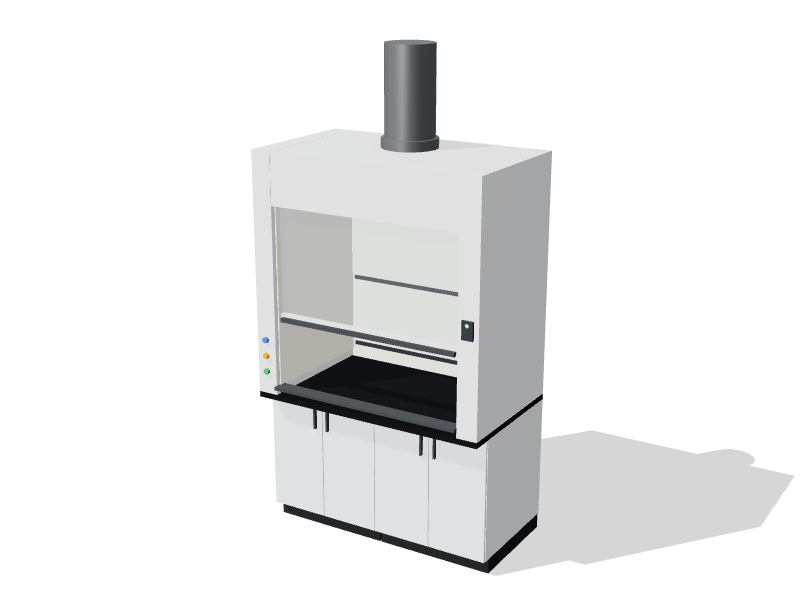
Containment is mostly about capturing vapour at the source. Grossing happens at a ventilated grossing station or a fume hood with downdraft or rear-slot exhaust. Stainers, coverslippers and tissue processors either sit in hoods or connect to local exhaust. Formalin specimen containers should be stored where vapour is exhausted, not on open shelves in the general lab. Room air changes help, but they do not replace capture at the bench.
Equipment and casework
- Grossing station or hood with a sink, cutting board, waste disposal and specimen photography
- Tissue processor, embedding centre and paraffin dispenser
- Rotary microtomes and a cryostat, each at a seated station with a water bath and slide warmer
- Automated stainer and coverslipper, under exhaust
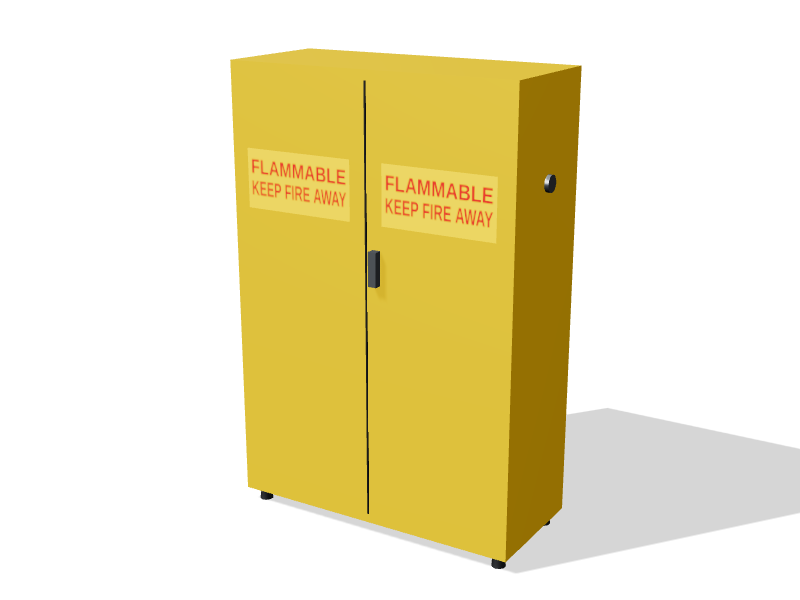
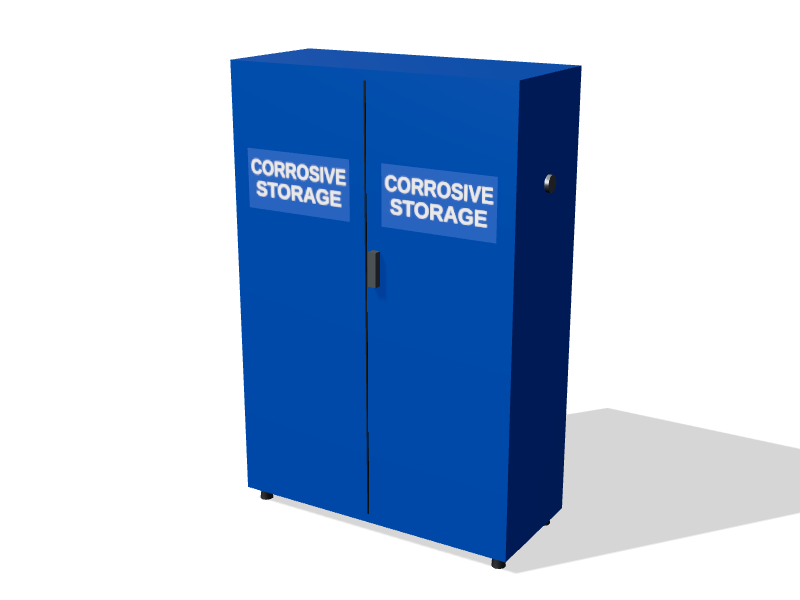
- A flammable cabinet for xylene and alcohols, and a separate corrosives cabinet for decalcifying acids
- Storage for blocks and slides, which grows every year and usually moves to an archive
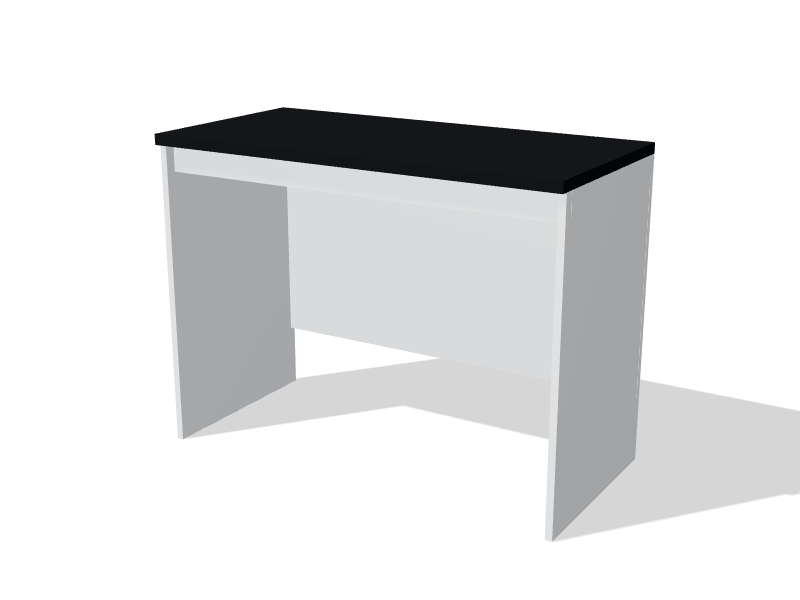
Microtomy is precise, repetitive seated work. Use knee-space units with stable worktops, room for forearm support and good task lighting. Read ergonomics at the lab bench before you set heights.
Layout principles
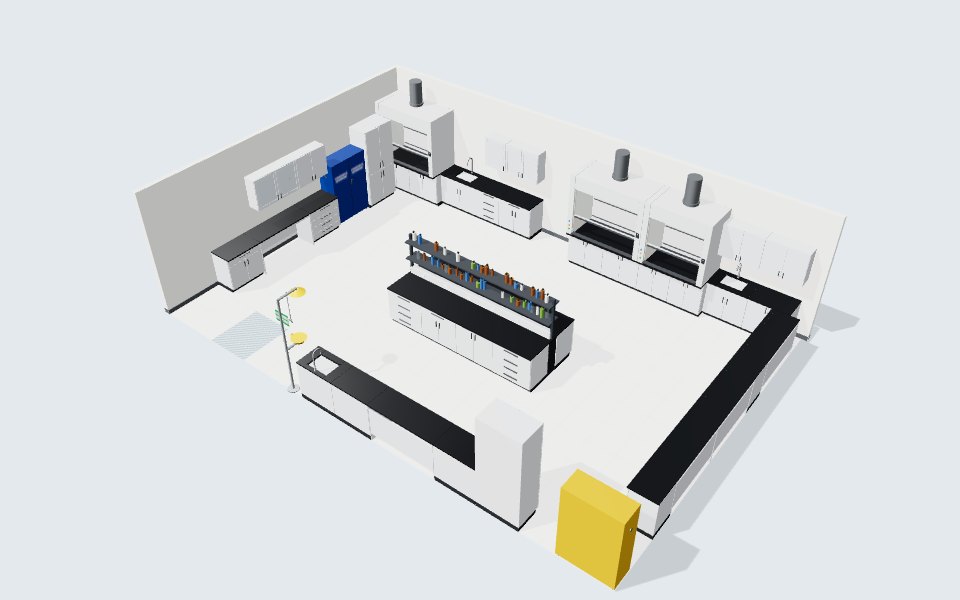
Arrange the room in the order the tissue moves: specimen receiving near the door, grossing, processing, embedding, microtomy, staining and coverslipping, then slide sorting and delivery to pathologists. A loop around the room keeps finished slides away from wet, odorous work.
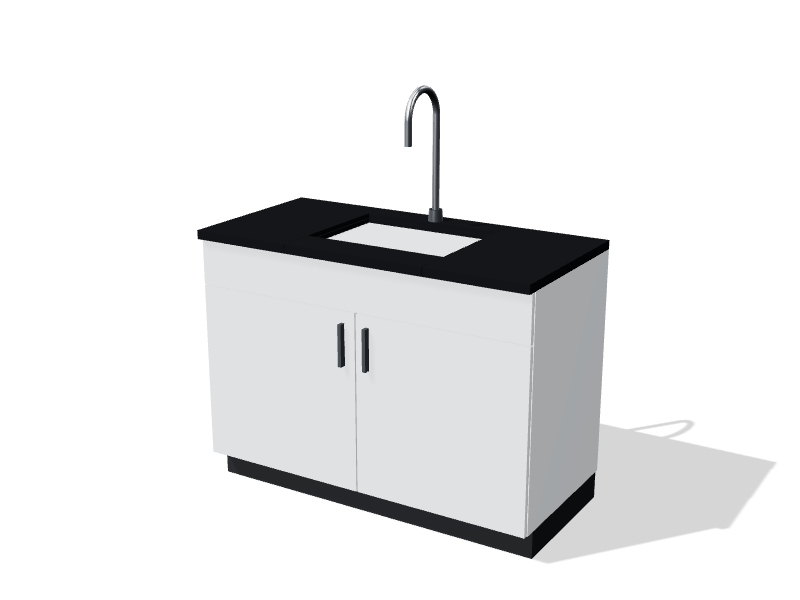
Put grossing and staining hoods on the wall farthest from the door and away from the main aisle, so walking traffic and door openings do not pull vapour out of the hood face. Fume hood placement explains the clearances. Each grossing position needs its own sink. Keep microtomy away from hoods and supply diffusers, because drafts make thin sections curl and drift. Leave floor space for the tissue processor and cryostat, which are often floor-standing.
Store xylene and alcohols in a flammable cabinet and decalcifying acids in a corrosives cabinet on a different wall. Keep the emergency shower and eyewash near the exit and within easy reach of the grossing area.
Finishes and worktops
Formalin, xylene and stains attack many surfaces. Epoxy resin worktops resist these chemicals, tolerate hot paraffin drips and take molded sinks, which makes them the usual choice for grossing and staining runs. Painted steel casework suits most of the room; stainless steel suits the grossing station itself, where tissue contact and daily disinfection are routine. A fiberglass hood liner handles formalin and xylene well at a sensible cost.
Utilities and services
- Hood exhaust sized for grossing and staining, with an airflow monitor at each hood
- Hot and cold water at grossing sinks, with drains and a solids trap or disposal
- Formalin dispensing, either piped from a central system or drawn from a vented container
- Dedicated circuits for processors, embedding centres and cryostats, with essential power for frozen-section work
- Data ports for specimen tracking and cassette and slide printing at grossing and embedding
Compliance points in Canada
Provincial occupational health rules set exposure limits for formaldehyde and xylene, and many labs monitor staff exposure at grossing and staining. WHMIS covers labels and safety data sheets. Unfixed tissue falls under the Canadian Biosafety Standard, normally at CL2. Anatomic pathology labs are usually accredited through provincial or national programs, many based on ISO 15189. Hoods should be tested and certified against CSA Z316.5, and the eyewash and shower should meet ANSI Z358.1. Your EHS team sets the final exposure-control plan.
About the starting layout
The 3D starting layout is an 11 by 7.5 m (36 by 25 ft) room with a grossing hood and sink, two staining hoods, open floor for a tissue processor, a row of seated embedding and microtomy stations, specimen receiving by the door and a central island for slide sorting. Flammable and corrosive cabinets sit on separate walls. Try changes in the lab planner or book a consultation to plan your workflow.
Starting layout: bill of materials
32 items in a 11 × 7.5 m room with a 3 m ceiling. Budgetary list prices; adjust anything in the planner.
| Code | Product | Qty | Unit |
|---|---|---|---|
| BC-4D-0600 | Base cabinet, 4 drawers Painted steel, Arctic white · Epoxy resin, black | 3 | $1,810 |
| BC-4D-0900 | Base cabinet, 4 drawers Painted steel, Arctic white · Epoxy resin, black | 2 | $2,270 |
| BC-DD-0900 | Base cabinet, drawer over doors Painted steel, Arctic white · Epoxy resin, black | 2 | $1,900 |
| BC-HD-0900 | Base cabinet, hinged doors Painted steel, Arctic white · Epoxy resin, black | 2 | $1,760 |
| BC-KS-1500 | Knee space with modesty panel Painted steel, Arctic white · Epoxy resin, black | 5 | $1,320 |
| BC-SK-0900 | Sink base with epoxy sink & faucet Painted steel, Arctic white · Epoxy resin, black | 2 | $2,730 |
| BC-SK-1200 | Sink base with epoxy sink & faucet Painted steel, Arctic white · Epoxy resin, black | 1 | $3,180 |
| ES-CB-0600 | Emergency shower & eyewash | 1 | $1,850 |
| FH-BP-1500 | Benchtop fume hood, bypass Painted steel, Arctic white · Fiberglass liner | 1 | $10,900 |
| FH-BP-1800 | Benchtop fume hood, bypass Painted steel, Arctic white · Fiberglass liner | 2 | $12,100 |
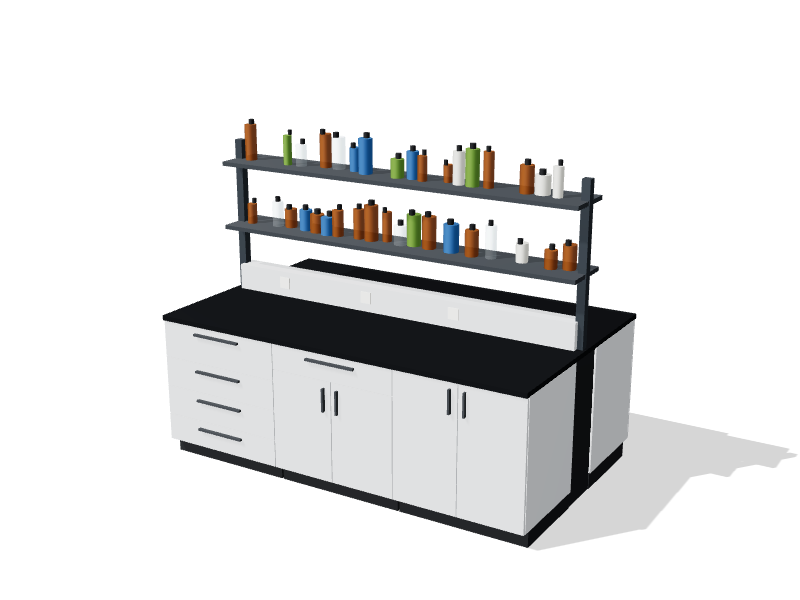
| IB-RS-3600 | Island bench with reagent shelving Painted steel, Arctic white · Epoxy resin, black | 1 | $17,280 |
| SC-CR30-1090 | Corrosives cabinet, 30 gal | 1 | $2,290 |
| SC-FL45-1090 | Flammable liquids cabinet, 45 gal | 1 | $2,480 |
| TC-ST-0900 | Tall storage cabinet Painted steel, Arctic white | 2 | $2,050 |
| WC-GL-0600 | Wall cabinet, glass doors Painted steel, Arctic white | 1 | $860 |
| WC-GL-0900 | Wall cabinet, glass doors Painted steel, Arctic white | 1 | $1,080 |
| WC-GL-1200 | Wall cabinet, glass doors Painted steel, Arctic white | 1 | $1,290 |
| WC-SD-0900 | Wall cabinet, solid doors Painted steel, Arctic white | 3 | $950 |
| Starting layout total | $101,710 |