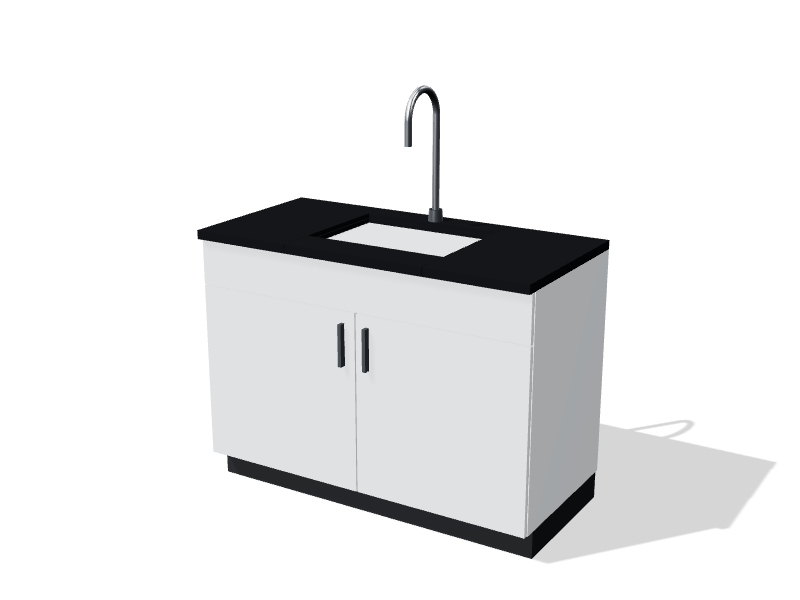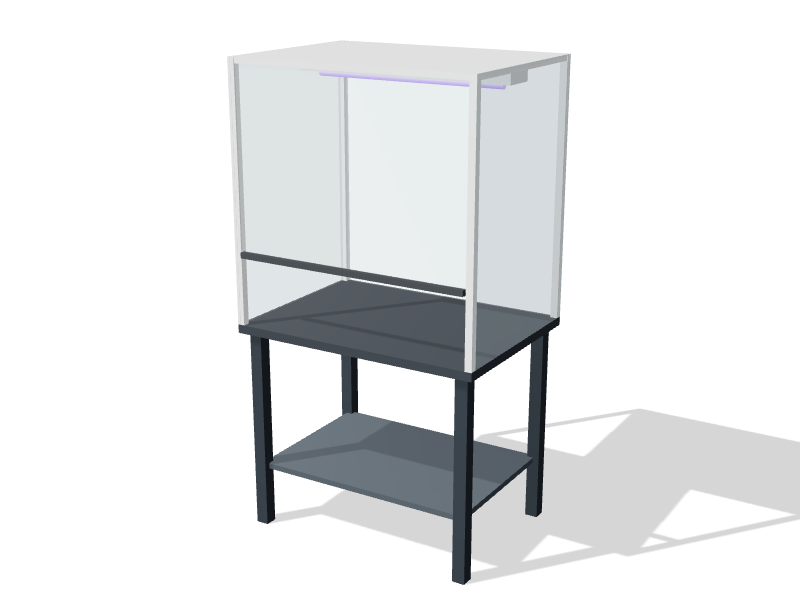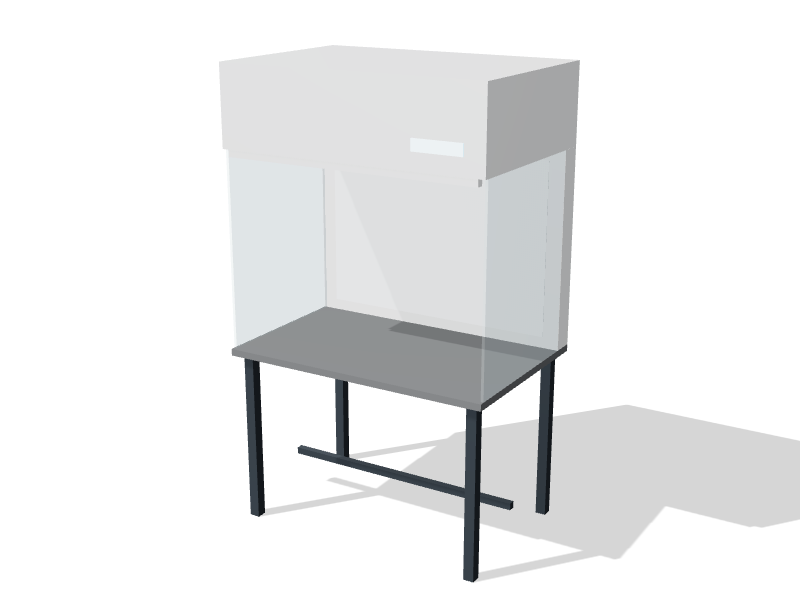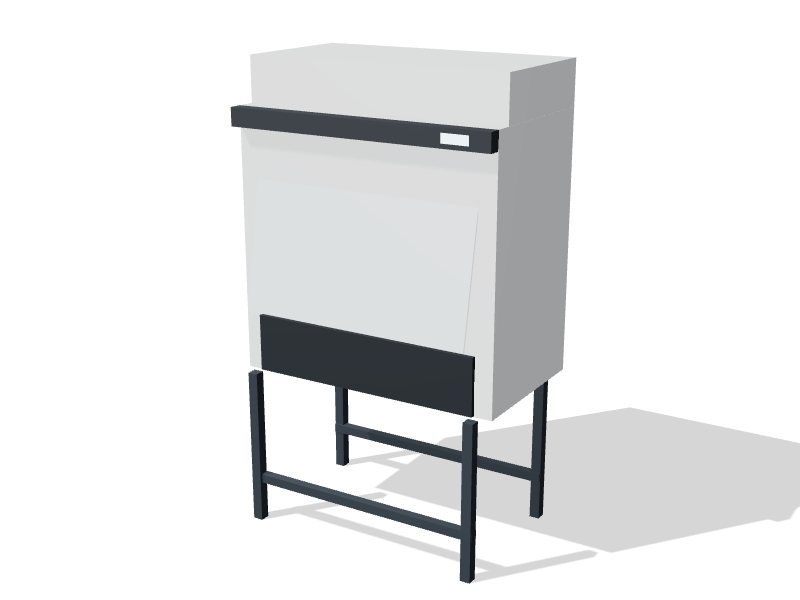
The 1800 mm model
BS-A2-1800 is the 1800 mm (71 in) wide version of the biosafety cabinet, class ii a2. It is 800 mm deep and 2050 mm high, floor-standing. It also comes in 1200 mm.
What it's for
A Class II biosafety cabinet protects three things at once: the person working, the work itself and the room. It is the main containment device for handling infectious agents and other biological materials in a containment level 2 lab, and it is used at higher containment levels as well. Microbiology, cell culture, virology and clinical specimen processing all depend on it.
Construction and features
Room air is drawn in through the front grille, forming an air barrier that protects the user. Inside, HEPA-filtered supply air flows down over the work surface and protects the work from contamination. HEPA-filtered exhaust removes particles before air leaves the cabinet. In a Class II A2 cabinet, about 70% of the air recirculates through the supply filter and about 30% is exhausted, and the minimum inflow velocity is commonly given as 0.5 m/s (100 fpm).
The sloped front tilts the sash toward the user for a clearer view and a more comfortable reach. The cabinet comes on a stand with leveling feet, so it can be set level on an uneven floor.
When comparing cabinets, ask for evidence that the model is listed to NSF/ANSI 49 or an equivalent CSA or EN standard, and look for airflow and sash-height alarms, a work surface that lifts out for cleaning, and a front grille that is hard to block with arms or paperwork.
Sizes and options
Where it fits
A microbiology lab (CL2), a cell and tissue culture lab and a hospital clinical lab handling specimens all rely on Class II cabinets.
Planning notes
- Placement makes or breaks containment. Keep the cabinet away from doors, walkways, supply diffusers and fume hoods; people walking past disturb the air barrier at the front.
- Leave clearance above for exhaust filter access and certification, commonly around 300 mm (12 in), and follow the manufacturer's stated side clearances.
- An A2 cabinet can exhaust into the room or through a canopy connection to the building exhaust. Work with volatile chemicals, even in small amounts, usually calls for the canopy connection. Your biosafety officer makes that call.
- Plan field certification on installation, after any move or major repair, and at least annually; the Canadian Biosafety Standard sets this for regulated containment zones.
- A biosafety cabinet is not a fume hood. Read fume hood or biosafety cabinet? before using chemicals in one.
All sizes
| Code | Width | Depth × height | From |
|---|---|---|---|
| BS-A2-1200 | 1,200 mm (47 in) | 800 × 2050 mm | $14,800 |
| BS-A2-1800 | 1,800 mm (71 in) | 800 × 2050 mm | $17,900 |