Petroleum labs test crude oil, gasoline, diesel, jet fuel, biofuel blends, lubricants and used oils. Refineries, pipeline and terminal operators, fuel distributors, independent testing companies and university research groups all run them. Most work follows standard ASTM methods: distillation range, flash point, density, kinematic viscosity, sulphur content, water content by Karl Fischer titration, cloud and pour point, and vapour pressure. Results decide whether a batch meets specification, so throughput and repeatability matter.
Hazards and containment
The defining hazard is flammable liquid. Samples arrive in cans and bottles, analysts pour and heat them, and vapours from light fuels are heavier than air, so they can spread along the floor toward ignition sources. Distillation and flash point testing apply heat, and sometimes a flame, to flammable samples by design. Other hazards include benzene and other toxic components of gasoline, hot apparatus, compressed gases, and the acids and solvents used for cleaning glassware.
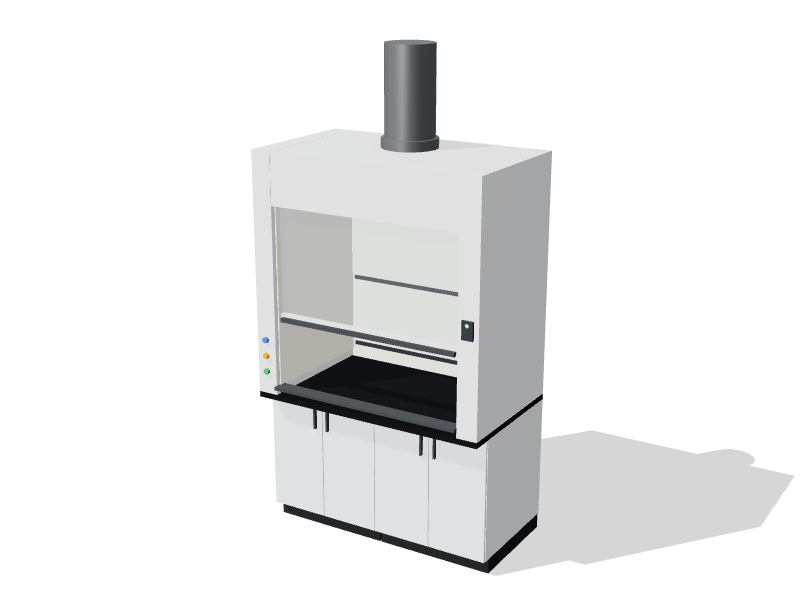
Containment starts with keeping vapour out of the room. Run distillations and solvent work in fume hoods, put flash point testers and viscosity baths under hoods or local exhaust, and keep sample volumes in the lab to what the day's work needs. Bond and ground metal containers when you transfer liquids between them.
Equipment and casework
- Automated distillation units, often several in a row, in wide hoods with room for tall apparatus
- Flash point testers, closed and open cup
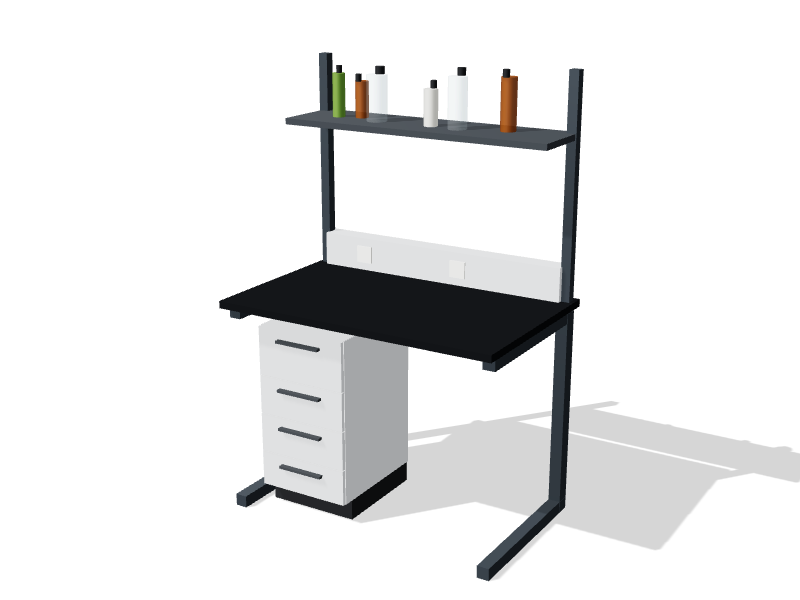
- Viscosity baths, density meters and Karl Fischer titrators on instrument benches
- XRF or UV fluorescence analyzers for sulphur
- Cloud and pour point baths, and vapour pressure testers
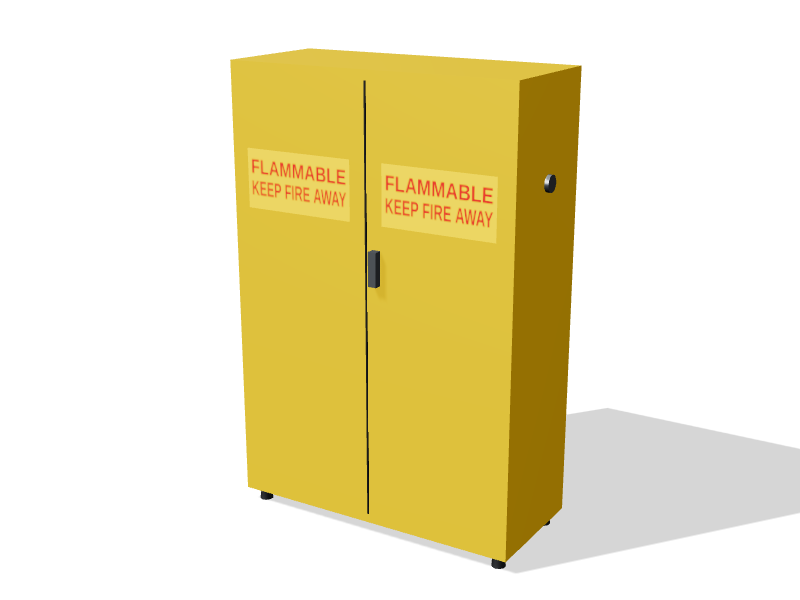
- Flammable cabinets for retained samples and solvents, and a separate corrosives cabinet
- A sample receiving counter, sinks and drying racks for glassware
Layout principles
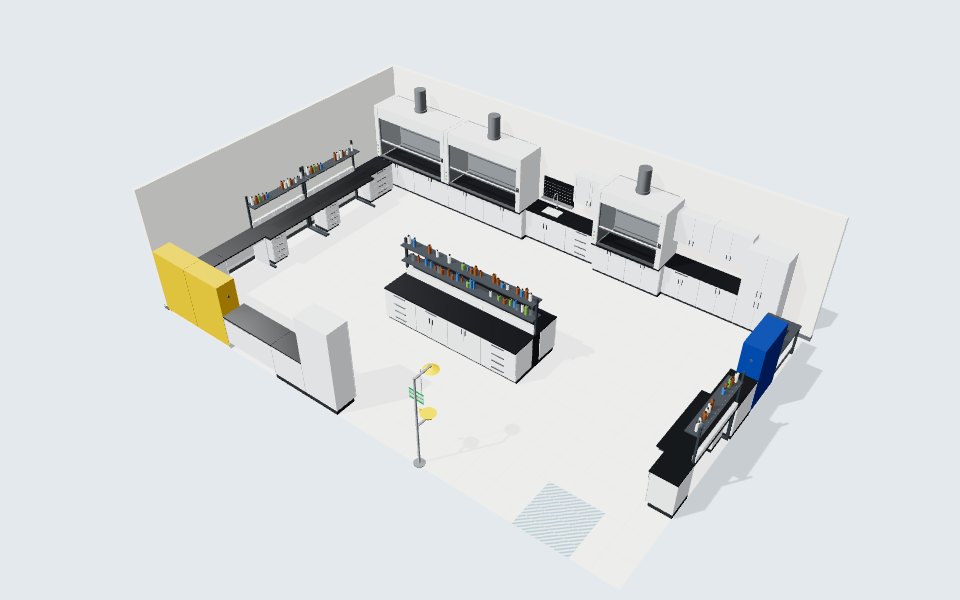
Plan the room around flammable liquid control. Put the hoods on the wall opposite the door so a fire or spill at a hood does not block the way out. Keep heated equipment and ignition sources away from sample storage. Locate flammable storage cabinets at the sample receiving counter, where samples come in, but outside the main path to the door, and keep the corrosives cabinet on another wall.
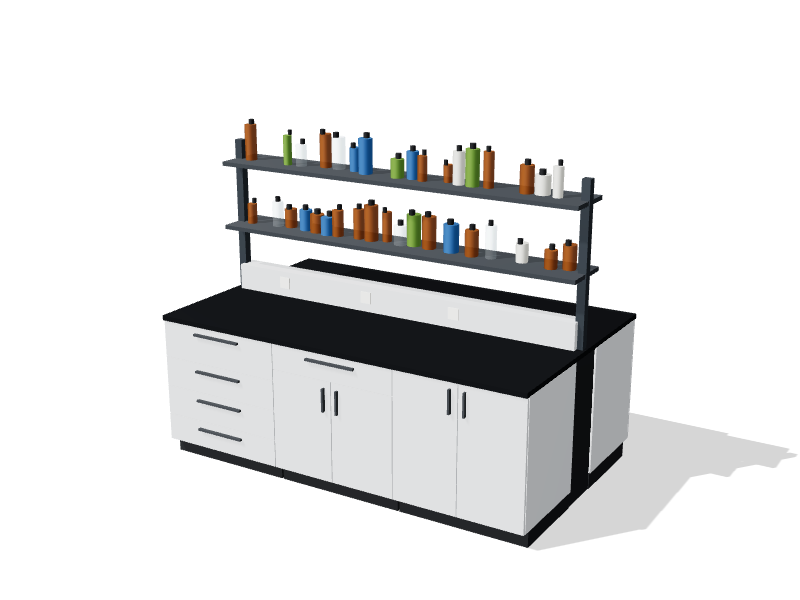
Group instruments by test: distillation and flash point under exhaust, viscosity and density on a bench with stable temperature, and sulphur and water analyzers together. A central island gives space for sample splitting and paperwork, with clear aisles all around. Keep the emergency shower and eyewash near the exit and within about 10 seconds of the hoods. Large volumes of retained samples usually belong in a separate rated storage room, not in the lab.
Finishes and worktops
Epoxy resin worktops resist hydrocarbons, solvents and hot apparatus, which makes them the standard choice here. Add marine edges at hoods and sinks to contain spills. Painted steel casework is preferred over wood because it adds little fuel to a fire. A stainless steel hood liner suits hoods that see heat and the occasional flame from flash point testing.
Utilities and services
- Hood exhaust sized for several hoods running at once, with ducts and fans suited to flammable vapours
- Chilled water or recirculating chillers for distillation condensers
- Nitrogen and compressed air, plus carrier gases for any GC work
- Dedicated circuits for baths and distillation units, with equipment rated for the area classification your engineer sets
- Floor drains with oil interceptors where local rules require them
Locate shut-offs for gas and power where staff can reach them without passing the hoods.
Compliance points in Canada
The National Fire Code of Canada and NFPA 30 limit how much flammable liquid you can keep in a lab and how you store it, and NFPA 45 covers fire protection for labs that use chemicals. Hoods should meet CSA Z316.5, and showers and eyewashes ANSI Z358.1. Labs that issue certificates on fuel quality usually hold ISO/IEC 17025 accreditation for their test methods. The local fire authority and your engineer of record decide the final quantities and classifications.
About the starting layout
The 3D starting layout is a 12 by 8 m (39 by 26 ft) room with two wide distillation hoods and a flash point hood on the back wall, instrument benches for viscosity, density and titration, a balance table, two flammable cabinets beside the sample counter, a corrosives cabinet on another wall and a central island. Adapt it in the lab planner or book a consultation.
Starting layout: bill of materials
29 items in a 12 × 8 m room with a 3.2 m ceiling. Budgetary list prices; adjust anything in the planner.
| Code | Product | Qty | Unit |
|---|---|---|---|
| AB-CF-1800 | Adaptable C-frame bench Painted steel, Arctic white · Epoxy resin, black | 3 | $5,360 |
| BC-4D-0900 | Base cabinet, 4 drawers Painted steel, Arctic white · Epoxy resin, black | 3 | $2,270 |
| BC-DD-0900 | Base cabinet, drawer over doors Painted steel, Arctic white · Epoxy resin, black | 2 | $1,900 |
| BC-HD-0600 | Base cabinet, hinged doors Painted steel, Arctic white · Epoxy resin, black | 1 | $1,340 |
| BC-HD-0900 | Base cabinet, hinged doors Painted steel, Arctic white · Epoxy resin, black | 2 | $1,760 |
| BC-KS-1200 | Knee space with modesty panel Painted steel, Arctic white · Epoxy resin, black | 1 | $1,110 |
| BC-KS-1500 | Knee space with modesty panel Painted steel, Arctic white · Epoxy resin, black | 1 | $1,320 |
| BC-SK-1200 | Sink base with epoxy sink & faucet Painted steel, Arctic white · Epoxy resin, black | 1 | $3,180 |
| BT-GR-1200 | Anti-vibration balance table | 1 | $3,100 |
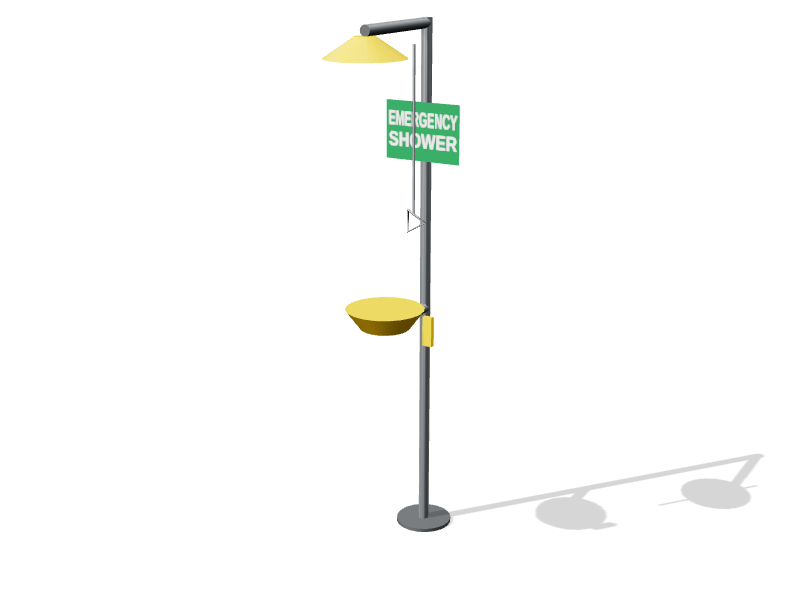
| ES-CB-0600 | Emergency shower & eyewash | 1 | $1,850 |
| FH-BP-1800 | Benchtop fume hood, bypass Painted steel, Arctic white · Stainless 316 liner | 1 | $14,320 |
| FH-BP-2400 | Benchtop fume hood, bypass Painted steel, Arctic white · Stainless 316 liner | 2 | $17,560 |
| IB-RS-3600 | Island bench with reagent shelving Painted steel, Arctic white · Epoxy resin, black | 1 | $17,280 |
| PB-EP-0900 | Epoxy pegboard drying rack | 1 | $890 |
| SC-CR30-1090 | Corrosives cabinet, 30 gal | 1 | $2,290 |
| SC-FL45-1090 | Flammable liquids cabinet, 45 gal | 2 | $2,480 |
| TC-ST-0900 | Tall storage cabinet Painted steel, Arctic white | 2 | $2,050 |
| WC-GL-0900 | Wall cabinet, glass doors Painted steel, Arctic white | 1 | $1,080 |
| WC-SD-0900 | Wall cabinet, solid doors Painted steel, Arctic white | 2 | $950 |
| Starting layout total | $124,050 |