Who uses it and what happens there
A pharmaceutical quality control lab tests raw materials, packaging components, in-process samples and finished products before release, and runs stability programs on products already on the market. Typical methods are HPLC and UPLC assays and impurity profiles, GC for residual solvents, dissolution, Karl Fischer water content, FTIR identity tests, pH and classic wet chemistry. Every result supports a batch release decision, so the lab is built around controlled workflow, reliable instruments and complete records.
Hazards and containment
Solvents for mobile phases and sample preparation, such as acetonitrile and methanol, are used daily in moderate volumes. Some active ingredients are potent at small doses and need contained weighing, typically in a ventilated balance enclosure or an isolator. Acids, bases, compressed gases and glass waste round out the picture, and dissolution testing brings large volumes of buffer media that need sink space and room for carboys. A QC lab usually needs a few fume hoods for solvent work and standard preparation, not a wall of them. High-performance hoods can keep exhaust costs down where hoods stay open through long sample preparation runs.
Key equipment and casework
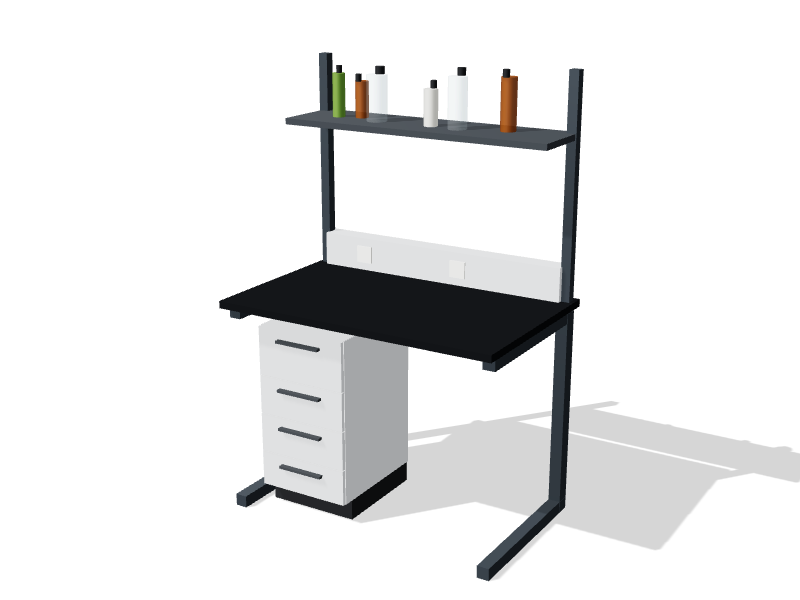
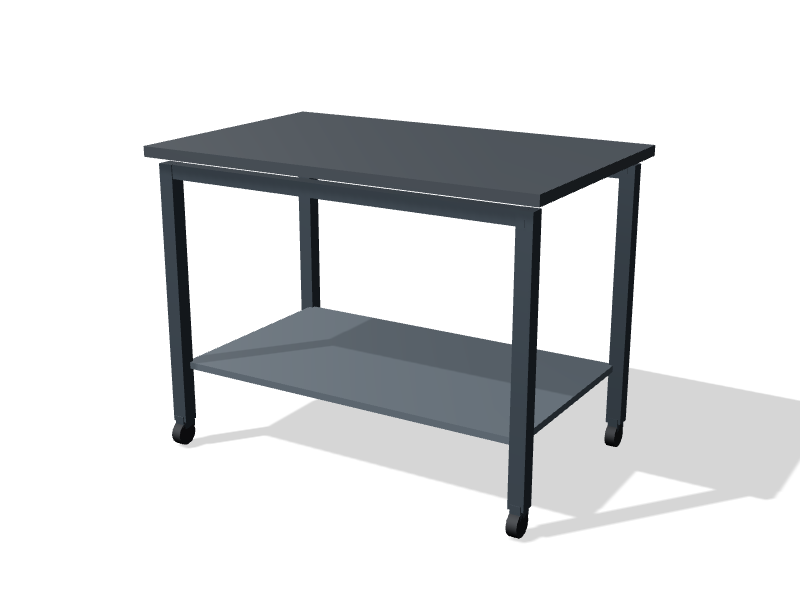
- Chromatography benches: adaptable C-frame benches along walls, and mobile tables for systems that need rear access.
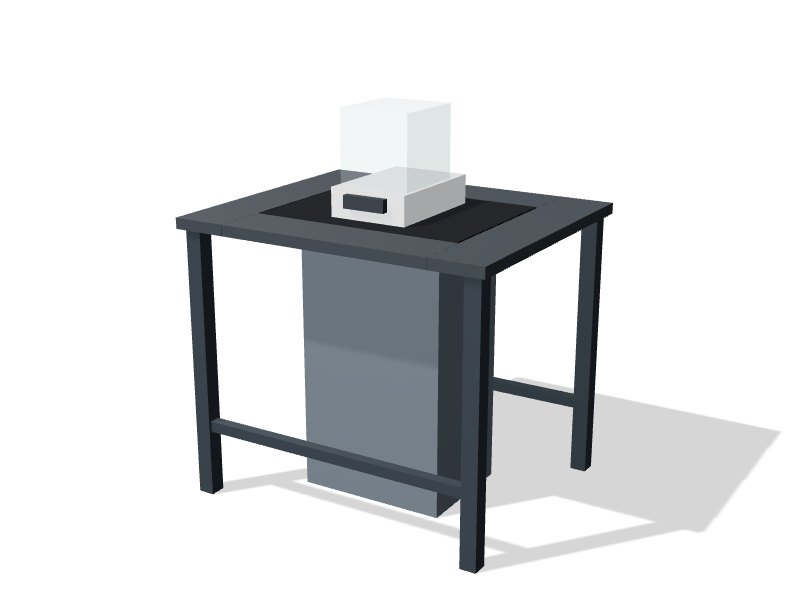
- Anti-vibration balance tables in a dedicated weighing area.
- Dissolution testers on rigid benches, away from vibration sources.
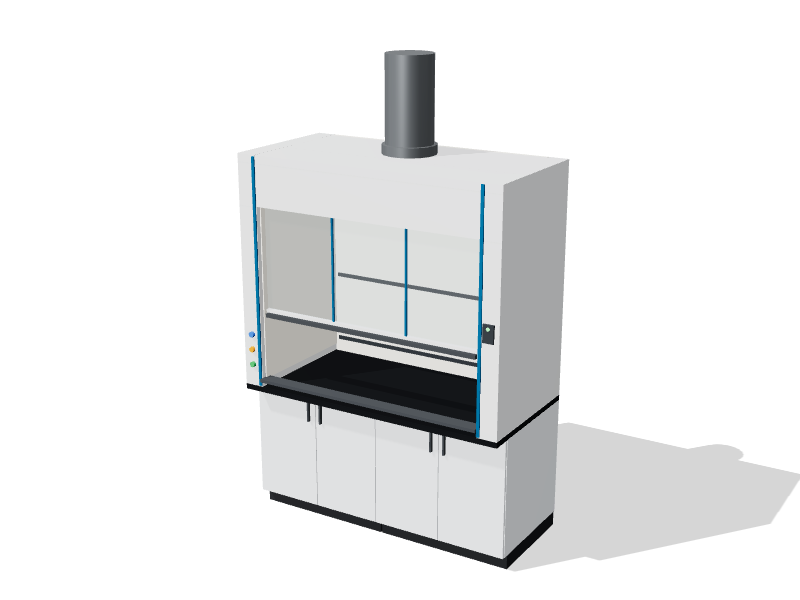
- Fume hoods with a sink and drawer storage for sample and standard preparation.
- Seated data review stations with knee space, separate from wet work.
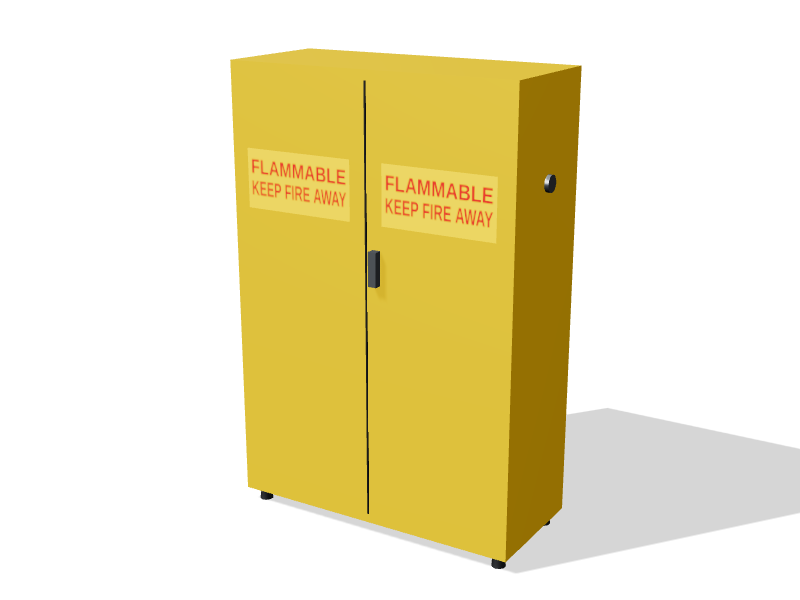
- A flammable cabinet for solvents near the instruments, and a corrosive cabinet near the sample preparation zone.
- Space for stability chambers, refrigerators and controlled sample storage.
Layout principles
Organize the lab by flow: sample receipt and controlled storage, then preparation, then analysis, then data review. Put the hoods and sink in a wet zone at the back, away from the door. Group balances in a quiet area away from hoods, doors and supply air; see balance tables and vibration.
Run chromatography benches in rows, with solvent bottles below eye level and waste containers close to each system. Locate data review stations near the instruments but away from liquids, so analysts can review results without carrying paper or laptops across wet benches. Keep aisles of 1.2 to 1.5 m (4 to 5 ft) for carts. Plan spare power and bench length, because instrument fleets tend to grow. Reference standards and retained samples need locked, controlled storage, often with temperature monitoring. Once instruments are qualified, moving them means paperwork and requalification, so get the layout right before installation.
Finishes and worktops
Phenolic resin worktops are a good default in QC: resistant to common solvents and reagents, easy to clean and lighter than epoxy, which matters on mobile and adaptable benches. Use epoxy at sinks and in the sample preparation zone, where hot plates and stronger acids are more likely. Painted steel casework is cleanable and holds up to daily wipe-downs. Avoid open shelving where dust would settle on reference standards and glassware. GMP inspectors look for surfaces that are easy to clean and visibly kept clean, so sealed joints and closed storage matter as much as the worktop material.
Utilities and services
Plan dedicated circuits and UPS protection for chromatography systems, network drops for the chromatography data system, and enough receptacles that nobody needs a power bar. Purified water feeds mobile phases and glassware rinsing. GC needs nitrogen, and helium or hydrogen, from cylinders, a gas room or generators. Stable temperature and humidity support stability testing and instrument performance. Solvent waste collection needs a safe, ventilated route out of the lab.
Compliance points
- Health Canada's good manufacturing practices requirements under the Food and Drug Regulations apply to QC testing of drug products, including qualified equipment and controlled records.
- Sterility and microbial testing usually moves to a separate microbiology suite, sometimes in a classified cleanroom; see GMP cleanroom grades.
- CSA Z316.5 and ANSI/ASHRAE 110 for hoods; NFPA 45 and the National Fire Code of Canada for solvent quantities.
- ANSI Z358.1 for the shower and eyewash.
Your QA group and site engineering approve layout changes that affect qualified equipment.
About the starting layout
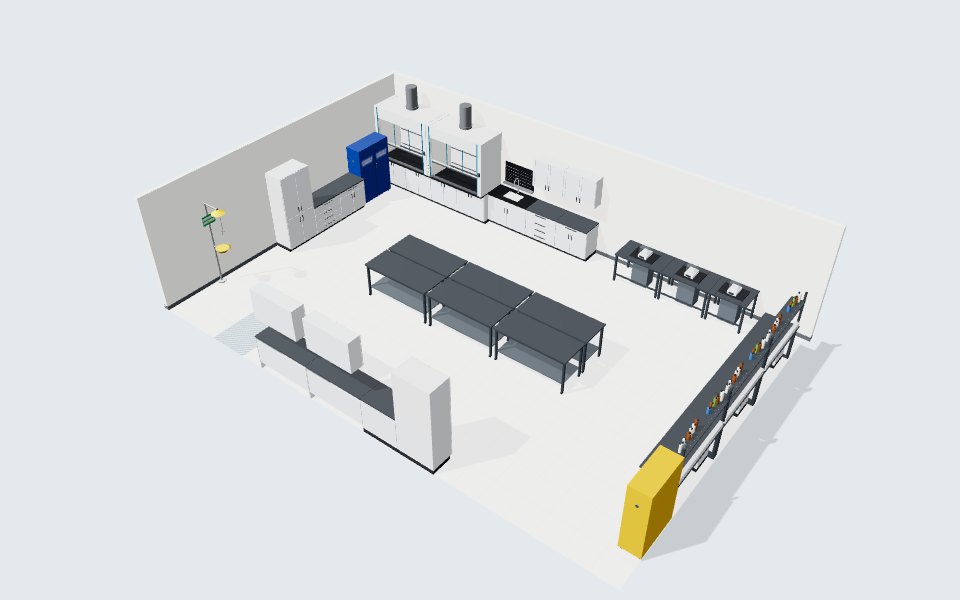
The starting layout is a 12 × 8 m (39 × 26 ft) room with a wet zone of two high-performance hoods, a sink and storage at the back left, three balance tables in a weighing area at the back right, and three C-frame chromatography benches along the right wall. Six mobile tables form a central instrument bench, data review stations line the front wall, and the shower sits near the door. Adapt it in the lab planner or book a consultation.
Starting layout: bill of materials
32 items in a 12 × 8 m room with a 3 m ceiling. Budgetary list prices; adjust anything in the planner.
| Code | Product | Qty | Unit |
|---|---|---|---|
| AB-CF-1800 | Adaptable C-frame bench Painted steel, Arctic white · Phenolic resin, charcoal | 3 | $5,160 |
| BC-4D-0900 | Base cabinet, 4 drawers Painted steel, Arctic white · Phenolic resin, charcoal | 3 | $2,170 |
| BC-DD-0900 | Base cabinet, drawer over doors Painted steel, Arctic white · Phenolic resin, charcoal | 2 | $1,800 |
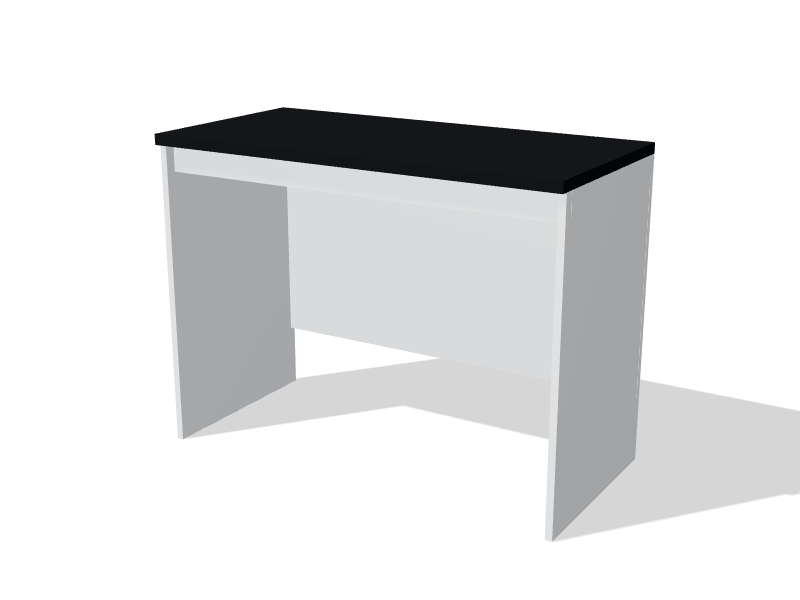
| BC-KS-1500 | Knee space with modesty panel Painted steel, Arctic white · Phenolic resin, charcoal | 2 | $1,160 |
| BC-SK-1200 | Sink base with epoxy sink & faucet Painted steel, Arctic white · Epoxy resin, black | 1 | $3,180 |
| BT-GR-0900 | Anti-vibration balance table | 1 | $2,650 |
| BT-GR-1200 | Anti-vibration balance table | 2 | $3,100 |
| ES-CB-0600 | Emergency shower & eyewash | 1 | $1,850 |
| FH-HP-1800 | High-performance low-flow hood Painted steel, Arctic white · Fiberglass liner | 2 | $14,900 |
| MT-C-1800 | Mobile lab table Phenolic resin, charcoal | 6 | $1,980 |
| PB-EP-0900 | Epoxy pegboard drying rack | 1 | $890 |
| SC-CR30-1090 | Corrosives cabinet, 30 gal | 1 | $2,290 |
| SC-FL45-1090 | Flammable liquids cabinet, 45 gal | 1 | $2,480 |
| TC-ST-0900 | Tall storage cabinet Painted steel, Arctic white | 2 | $2,050 |
| WC-GL-0900 | Wall cabinet, glass doors Painted steel, Arctic white | 2 | $1,080 |
| WC-SD-1200 | Wall cabinet, solid doors Painted steel, Arctic white | 2 | $1,140 |
| Starting layout total | $97,670 |