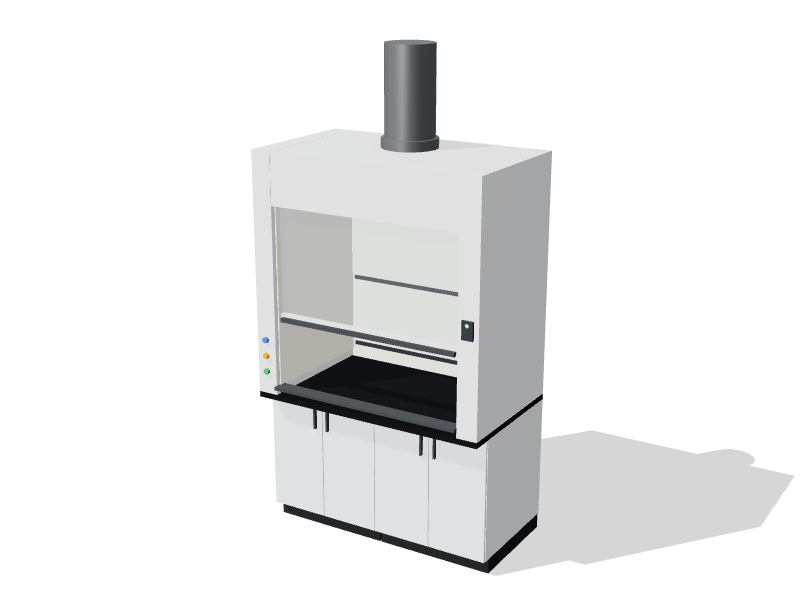
The 2400 mm model
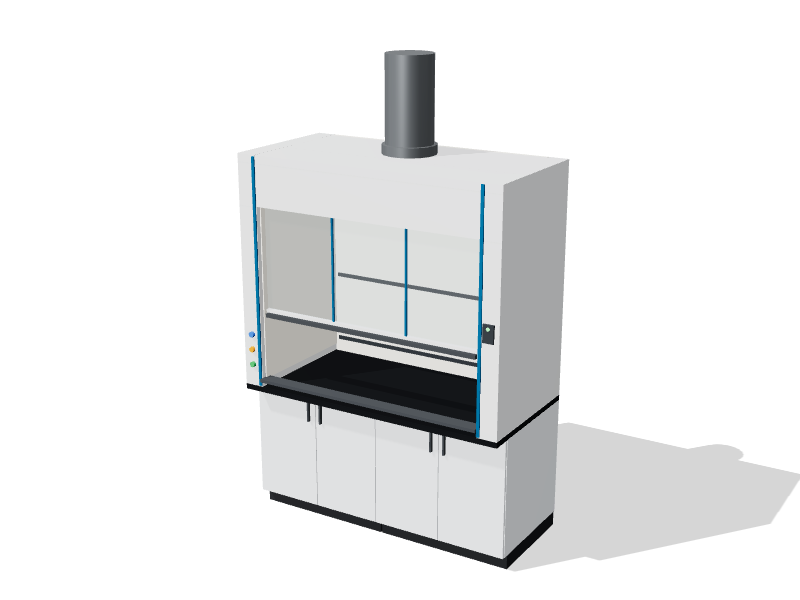
FH-BP-2400 is the 2400 mm (94½ in) wide version of the benchtop fume hood, bypass. It is 860 mm deep and 2400 mm high, floor-standing. It also comes in 1200 mm, 1500 mm, 1800 mm.
Price by option at 2400 mm
| Option | Choice | List price |
|---|---|---|
| Finish | Painted steel, Arctic white | $14,600 |
| Finish | Painted steel, Slate blue | $14,600 |
| Finish | Solid phenolic, Pearl grey | $16,350 |
| Finish | Maple veneer | $15,770 |
| Finish | Stainless steel 304 | $21,170 |
| Liner | Fiberglass liner | $14,600 |
| Liner | Stainless 316 liner | $17,560 |
| Liner | PVC liner (acid digestion) | $18,440 |
What it's for
The bypass benchtop hood is the general-purpose fume hood for routine chemistry: dissolving and diluting reagents that give off fumes, running reactions, evaporating solvents, and any task that releases vapours or dusts nobody should breathe. It draws room air in through the sash opening and carries contaminants out through the building exhaust.
Construction and features
A bypass hood pulls a roughly constant volume of air. As the sash closes, a bypass grille above the opening lets air keep flowing, so the face velocity does not climb sharply through a small gap. That makes the hood simple to pair with a constant-volume exhaust system.
Key features:
- An airfoil sill at the front edge that guides air smoothly into the hood and sweeps the work surface, reducing turbulence where the user stands.
- A bypass grille that keeps airflow steady as the sash moves.
- A design face velocity of 0.5 m/s (100 fpm) at a 460 mm (18 in) sash opening, a common target for general chemistry.
- Vented base cabinets supplied with the hood, which can be connected to the exhaust for storing containers used in the hood.
Good-quality hoods also have adjustable rear baffles, a counterbalanced sash with a sash stop, a recessed work surface that contains small spills, and an airflow monitor with an alarm. Ask for an ANSI/ASHRAE 110 as-manufactured test report for the model and size you are buying.
Sizes and options
Options are the exterior finish and the liner: fiberglass for general chemistry, stainless 316 for cleanability and heat, or PVC for acid digestion.
Where it fits
Benchtop hoods are the backbone of a research chemistry lab and a university teaching lab, and most analytical chemistry labs need at least one for sample preparation.
Planning notes
- Keep the hood away from doors, main walkways and supply diffusers. Cross drafts are a leading cause of poor containment; see where to place fume hoods.
- Leave about 1.5 m (5 ft) of clear floor in front of the hood face.
- A bypass hood exhausts close to full volume whether the sash is open or closed. In a building with many hoods, compare bypass, CAV and VAV hoods before committing.
- Plan services (gas, vacuum, water, power) and any cup sink at design time. Adding them later means cutting into the liner.
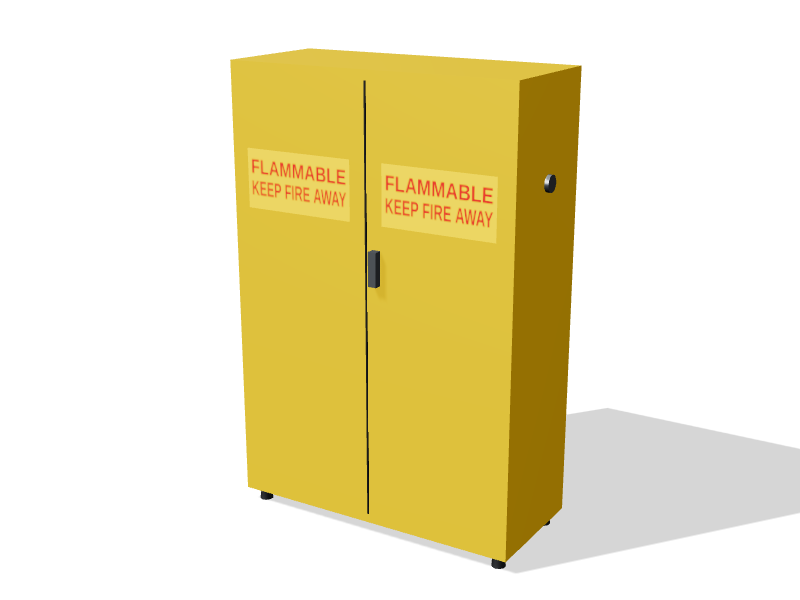
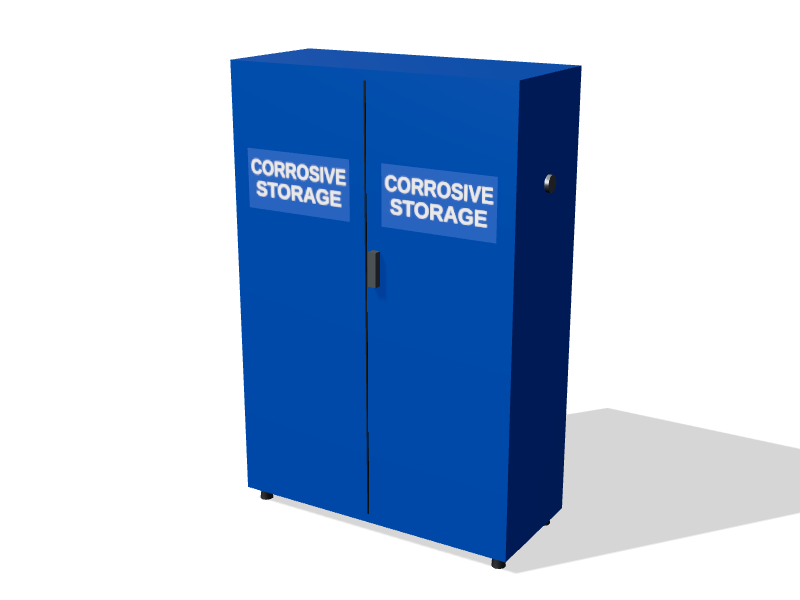
- If flammables or corrosives will be stored below, confirm with your EHS group whether a rated safety cabinet is needed instead of a vented base.
- Test the hood after installation and on a regular schedule, following CSA Z316.5 and your organization's program.
All sizes
| Code | Width | Depth × height | From |
|---|---|---|---|
| FH-BP-1200 | 1,200 mm (47 in) | 860 × 2400 mm | $9,800 |
| FH-BP-1500 | 1,500 mm (59 in) | 860 × 2400 mm | $10,900 |
| FH-BP-1800 | 1,800 mm (71 in) | 860 × 2400 mm | $12,100 |
| FH-BP-2400 | 2,400 mm (94½ in) | 860 × 2400 mm | $14,600 |